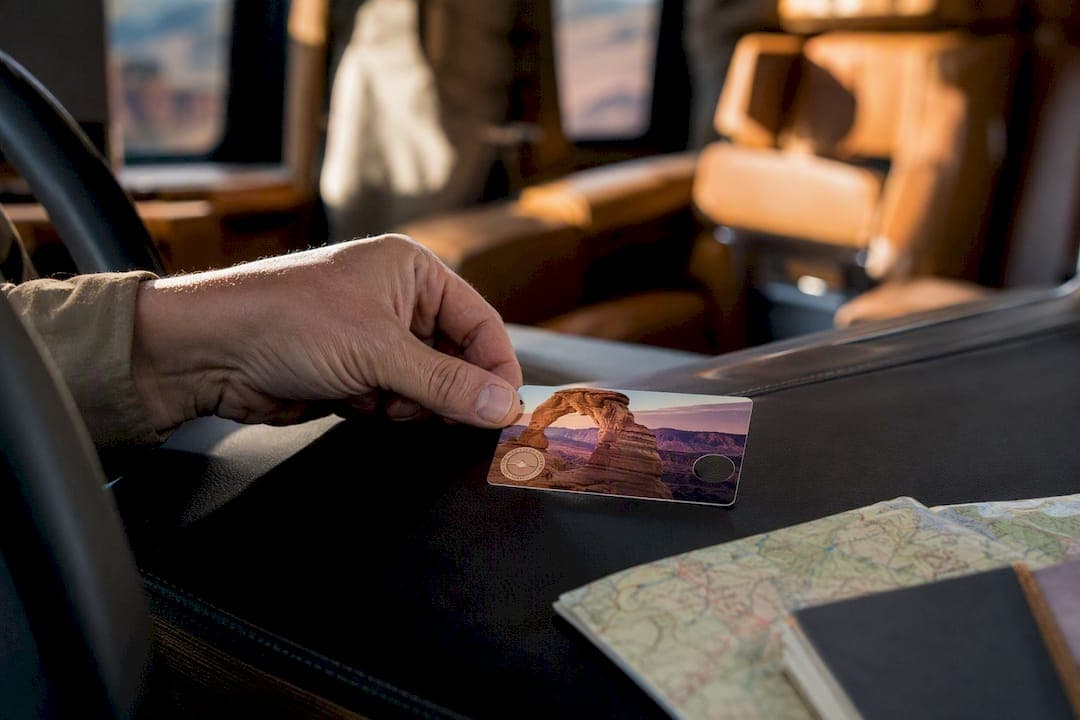
For most U.S. residents, yes: buy the $80 America the Beautiful Annual Pass if you'll hit three or more fee-charging federal recreation sites in the next 12 months. Below that, you're probably paying for convenience, not savings. Non-U.S. residents face a different math problem entirely, since the pass lineup changed for 2026.
- U.S. residents: buy the $80 pass at three or more paid entries per year. Two standard park visits at $30 to $35 each already puts you near breakeven.
- Non-U.S. residents: the new $250 Non-Resident Annual Pass is usually the right call once you're visiting two or more parks that charge a nonresident surcharge.
- Everyone else: the pass also buys you something math can't quite capture, the freedom to pull off at a random Bureau of Land Management overlook or a U.S. Fish and Wildlife refuge without digging for cash or a card at an unmanned kiosk.
TL;DR:
- The $80 resident pass becomes cost-effective after three paid park visits in a year, assuming typical fees of $20 to $35 per site.
- The $250 nonresident pass is better for international travelers visiting two or more surcharge parks in 2026, replacing the old math for non-U.S. residents.
- Pass coverage includes entrance and standard amenity fees at over 2,000 federal sites, but excludes camping, permits, and concessionaire charges.
- Buying a digital pass through Recreation.gov is immediate, while physical passes from USGS can take up to three weeks to arrive before use.
- For private guided tours, such as those including all fees, buying a separate pass often isn't necessary unless you plan additional independent park visits.
Table of Contents
- America the Beautiful Pass Worth It? What It Actually Covers
- Pass Types and Prices for 2026: Which One Is Yours?
- Does the Pass Pay Off for Your Trip? Do the Math
- How to Buy and Use the America the Beautiful Pass
- Where the Pass Falls Short: Surcharges, Free Days, and Fine Print
- Booking a Private Tour? You May Not Need the Pass at All
- The Pass Debate Isn't as Simple as "Save Money or Don't"
- Skip the Pass Math Entirely With a Private Tour
- Key Takeaways
- Official Pages Worth Checking Before You Buy
- Sources
America the Beautiful Pass Worth It? What It Actually Covers
The pass name causes confusion because it sounds like a National Park Service product. It isn't, not exclusively. It's an interagency pass, meaning it works across six different federal land management agencies, and that's the detail that makes the math work for road-trippers who mix park visits with forest and refuge stops.
Here's what the pass actually pays for:
- Entrance fees at more than 2,000 federal sites, covering the National Park Service, U.S. Forest Service, Bureau of Land Management, U.S. Fish and Wildlife Service, Bureau of Reclamation, and the U.S. Army Corps of Engineers, according to USGS's recreational pass overview.
- Standard amenity fees, the day-use charges some sites tack on for things like a boat launch or a picnic area, alongside the base entrance fee.
- Vehicle-based coverage at most parks, meaning the pass covers the passholder and everyone riding in a single private, noncommercial vehicle. Some sites without a vehicle gate charge per person instead, and the pass covers the holder plus three additional adults there. Kids 15 and under always get in free regardless of the pass.
- Nothing beyond entrance and amenity fees. Camping fees, backcountry permits, special-use permits for things like river rafting lottery trips, and any fee charged by a private concessionaire (think mule rides or guided rim tours run by a third party) are separate charges the pass doesn't touch.
Every park sets its own fee structure, so before you lock in an itinerary, it's worth a quick check of the specific park's page for reservation requirements or unusual charges, timed-entry systems being a good example that's popped up at several high-traffic parks in recent years.
Pass Types and Prices for 2026: Which One Is Yours?
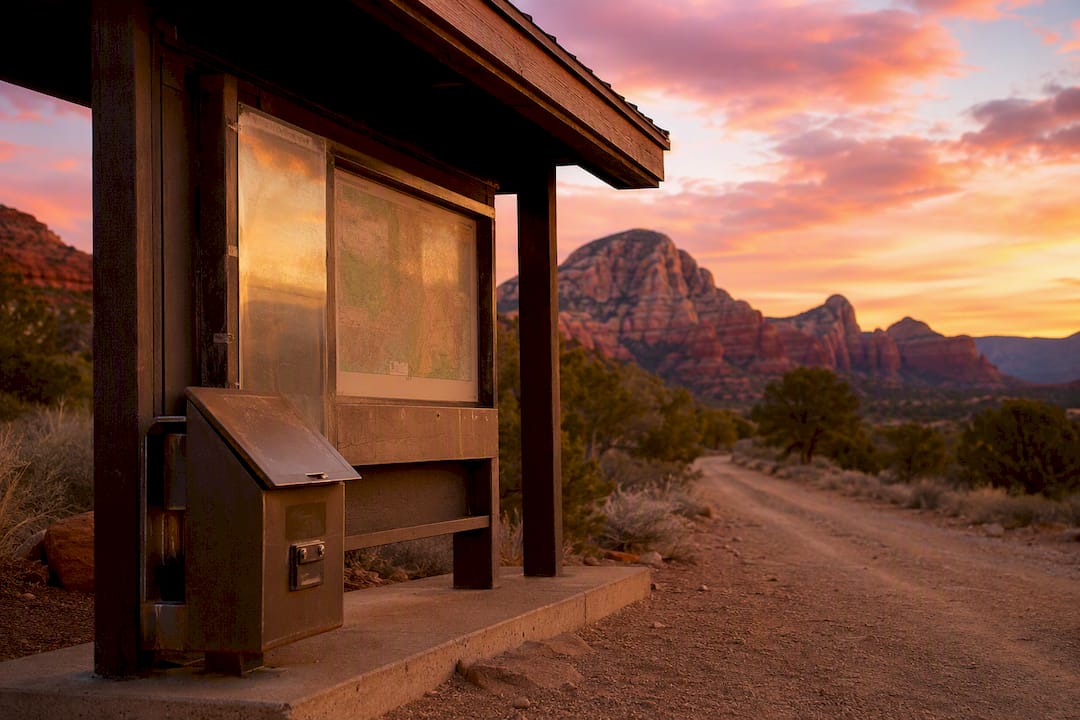
The America the Beautiful lineup has more entries than most travelers realize, and picking the wrong one either wastes money or leaves you paying full price at the gate.
Resident Annual Pass, $80. This is the standard pass, open to any U.S. resident regardless of age, and it's the one most families and retirees should default to. Purchased through the USGS Online Store, it runs $80 plus a small handling fee, and proceeds go back into visitor services at the sites themselves.
Three fee-charging visits at the typical $20 to $35 per vehicle rate already costs $60 to $105, meaning the $80 pass often pays for itself before your third stop.
Non-Resident Annual Pass, $250. New for 2026, this pass is built for international travelers who don't qualify as U.S. residents. It covers the same ground as the $80 pass but reflects the reality that nonresidents were often paying steep per-park surcharges anyway.
- Senior Pass ($80 annual or $20 lifetime): for U.S. citizens and permanent residents 62 and older.
- Military Pass (free): for current U.S. military members and their dependents.
- Access Pass (free): for U.S. citizens or permanent residents with a permanent disability.
- 4th Grade Annual Pass (free): for U.S. fourth graders and their families, valid through the following school year.
- Volunteer Pass (free): earned after logging 250 service hours on federal lands in the current year.
Discounted and free passes require proof of eligibility, whether that's a driver's license showing age, military ID, or documentation of a disability, and they're non-transferable. Recreation.gov handles digital sales; the USGS store handles physical mail orders and some discounted categories directly.
Does the Pass Pay Off for Your Trip? Do the Math
This is where the decision gets concrete. Standard vehicle entrance fees at most fee-charging parks land between $20 and $35, and the $80 resident pass breaks even around the third paid visit in a 12-month stretch. Run your own itinerary through these scenarios.
- One park, one visit. Skip the pass. A single $35 entry doesn't come close to $80, even if it feels like the "official" thing to buy.
- Two parks in a year. Still usually skip it, unless the two parks combined already hit $80, which happens at pricier sites.
- A Southwest loop hitting Grand Canyon, Zion, and Bryce Canyon. Three parks at roughly $35 each is $105. Buy the pass; you save $25 and never touch your wallet at any gate.
- Yellowstone and Grand Teton together. These two parks share a combined entry fee structure, so check the current rate before assuming you need three separate stops to break even. Often this combo alone gets you most of the way to $80.
- A road trip mixing a national park with a U.S. Forest Service day-use area and a Bureau of Reclamation boat launch. Because the pass works across agencies, these three unrelated stops still count toward your break-even math the same as three national parks would.
- A single park visited repeatedly, like a Grand Canyon day trip followed by a return visit later in the year. Two visits to the same $35 park already gets you to $70, close enough that a third stop anywhere makes the pass the smarter buy.
- International visitors touring two or more surcharge parks, Acadia, Grand Canyon, Yellowstone, Yosemite, and several others carry an added nonresident charge. The $250 nonresident pass usually beats paying those surcharges site by site.
Before you buy anything, run through this checklist: how many fee-charging stops are actually on your route, are any of them mixed between agencies (national forest plus national park counts double toward your break-even), and are you or anyone in your vehicle eligible for a free or discounted pass instead of the standard $80 one. If you're still under three stops and none of those discounts apply, hold your cash and pay at the gate.
How to Buy and Use the America the Beautiful Pass
Where to buy the America the Beautiful pass depends entirely on your timeline. If you're leaving in two days, don't order anything by mail.
- Buy digital, buy fast. Recreation you can load onto your phone and use the moment the purchase clears, no shipping wait, no gate-day scramble.
- Order physical if you want the plastic. The USGS store ships a physical pass, but delivery can take up to three weeks, so this only works if you're planning well ahead of your trip.
- Pick it up in person as a backup. Most staffed entrance stations sell the pass on-site, so if your mail order won't arrive in time, you can still buy one at the first fee station you reach.
- Know the expiration rule before you buy. The pass is valid through the last day of the month you bought it, 12 months out. Buy on July 3 and it's good through July 31 of the following year.
- Bring ID. Whoever's name is on the pass needs to be present in the vehicle (or with the group, at per-person sites) and ready to show photo ID if a ranger asks.
Pro Tip: Time your purchase for the first few days of the month rather than the last few. Buying on the 2nd instead of the 28th effectively hands you almost an extra month of coverage for the same $80, since the expiration always rolls to month's end.
Where the Pass Falls Short: Surcharges, Free Days, and Fine Print
The pass solves most fee headaches, but a few situations still catch travelers off guard, especially nonresidents assuming the standard pass covers everything.
- Fee-free days aren't universal relief. The Park Service designates several fee-free days each year, but those waivers are built around the assumption that visitors are U.S. residents. If a park layers on a nonresident surcharge, that surcharge can still apply even on a day when the base entrance fee is waived for everyone else.
- The $250 nonresident pass doesn't erase every extra charge, it covers standard entrance and amenity fees, the same scope as the resident pass, just priced to reflect what nonresidents were paying anyway.
- Camping never counts. A campground fee at a national park is billed separately, pass or no pass.
- Special permits stay separate. Backcountry permits, river-trip lottery fees, and reserved hiking permits for routes like certain slot canyon trails are billed on top of any pass.
- Concessionaire charges are never included. Mule rides, guided rim walks run by a park concessionaire, and shuttle services operated by a third party all charge their own rates regardless of what pass you're carrying.
- Some parks add parking fees or tags beyond the base entrance charge, so a park-specific check before you go still saves surprises at the gate.
Booking a Private Tour? You May Not Need the Pass at All
If your entire Grand Canyon visit is a single booked, all-inclusive private tour, the pass math above may not even apply to you. Most private tour operators, Grandcanyonjourneys included, build the park entrance fee directly into the tour price, along with transportation, permits, and often a meal.
That changes the calculation. If your trip is one guided day at the South Rim with everything handled in advance, buying a separate $80 annual pass for that single visit makes little sense; you'd be paying for coverage you already have.
- One booked private tour, no independent park days: skip the pass, your entrance fee is already baked in.
- A private tour plus extra independent days, maybe you're touring the South Rim with a guide, then driving to Zion or Bryce on your own a few days later: the pass earns its keep here, since it now covers stops the tour package doesn't.
- A multi-day Southwest trip with a guided day in the middle: run the break-even math from the scenarios above on just the independent legs of your trip, not the whole itinerary.
The Pass Debate Isn't as Simple as "Save Money or Don't"
Most guides treat this as a pure arithmetic question: count your park visits, compare against $80, done. That undersells what's actually going on. The real value of the pass shows up in the visits you wouldn't have made otherwise, the unplanned turnoff at a Bureau of Land Management site, the quick stop at a national wildlife refuge because you already have a pass in the glovebox and no interest in hunting for exact change at an honor-fee box.
Where the conventional advice really falls short is on nonresident travelers. Too many older guides still frame the America the Beautiful pass as a flat $80 product for everyone, when the 2026 introduction of the $250 nonresident tier changed that math completely for international visitors. If you're touring the U.S. from abroad and hitting two or more surcharge parks, running old resident-pass math will leave you underpaying at the gate and scrambling to sort it out.
My take: don't buy the pass reflexively because it feels like the "smart traveler" move. Count your actual fee-charging stops first. If you land at two, hold onto your $80. If you land at three or you're an eligible nonresident hitting two surcharge parks, buy it before you leave the driveway.
— Chris
Skip the Pass Math Entirely With a Private Tour
If counting entrance fees and checking agency websites sounds like more work than your Grand Canyon trip should require, check out these Top Tips and Tricks to save money on your vacation rentals and simplify your planning. Every Private Grand Canyon Day Tour from Sedona includes the park entrance fee, door-to-door pickup in a climate-controlled luxury vehicle, and a guide, so there's no pass to buy, no gate line to sit in, and no fee schedule to double-check before you go.
Guides on our hiking and rim itineraries carry Wilderness First Responder certification, and every logistical detail, from park access to a sit-down lunch at El Tovar, is arranged before you ever get in the vehicle. If your Grand Canyon plans involve one exceptional day rather than a season of independent park-hopping, check available dates for a private day tour and let the entrance fee question take care of itself.
Key Takeaways
The America the Beautiful pass pays for itself at three fee-charging U.S. park visits for residents, or two surcharge parks for nonresidents under the new $250 tier.
| Point | Details |
|---|---|
| Resident break-even | The $80 pass usually pays off after three visits at the typical $20 to $35 per-vehicle fee. |
| Nonresident rule changed | The new $250 Non-Resident Annual Pass fits travelers hitting two or more surcharge parks in 2026. |
| Coverage is broad but not total | The pass covers entrance and amenity fees across six federal agencies, not camping, permits, or concessionaire charges. |
| Buy digital for speed | Recreation issues a usable digital pass instantly; physical passes can take three weeks to arrive. |
| Private tours often skip the pass | Grandcanyonjourneys' private day tours typically bundle the entrance fee, making a separate pass unnecessary for that trip. |
Official Pages Worth Checking Before You Buy
- NPS passes page for full policy details and pickup locations.
- Recreation.gov for instant digital pass purchases.
- USGS Online Store for physical pass orders and pricing by category.
- Grandcanyonjourneys' national park passes guide for how the pass fits into local Grand Canyon visits, and your park's own site for forest, refuge, or reclamation-specific fee notes.