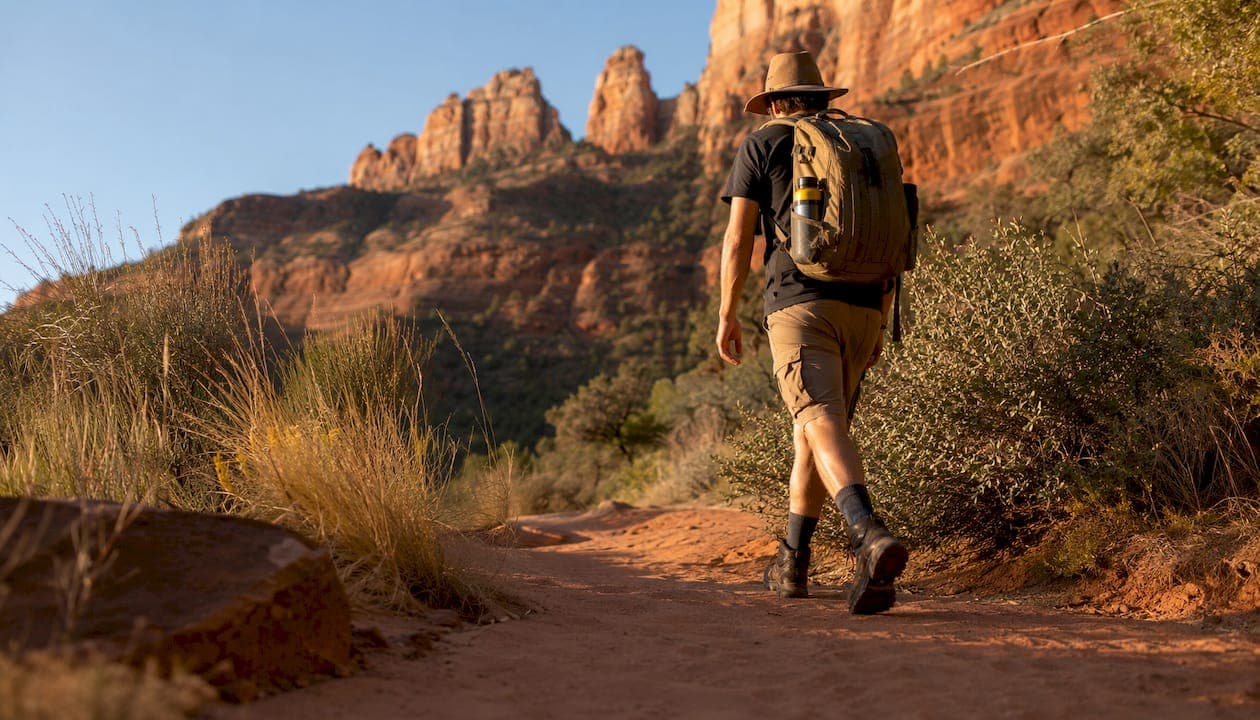
The Boynton Canyon Vortex is Sedona's most balanced energy site, sitting on a sandstone overlook between two iconic formations: Kachina Woman Rock and Warrior Butte. Unlike the other Sedona energy vortex sites, this one carries both masculine (electric, upflow) and feminine (magnetic, inflow) energies simultaneously, which locals and longtime practitioners consider the most spiritually complete of all Sedona vortex locations. You reach it via a short, accessible trail that rewards you with panoramic red rock views and, for many visitors, a genuinely unexpected sense of calm.
Here's what to know before you go:
- Trail: Boynton Vista Trail, accessed from the Boynton Canyon Trailhead
- Distance: a short round-trip hike with one short steep climb near the top
- Time: typically 20 to 30 minutes one way at a relaxed pace
- Difficulty: Easy to moderate
- Parking: Limited; a valid Red Rock Pass is required
- Best for: Spiritual seekers, couples, families, and anyone wanting a short but meaningful hike in Sedona
Table of Contents
- How to hike to the Boynton Canyon Vortex
- Why the Boynton Canyon Vortex matters spiritually and culturally
- What to expect and how to make the most of your visit
- Exploring Boynton Canyon with a private guided tour
- See Sedona's vortex country the way it deserves
- Key Takeaways
How to hike to the Boynton Canyon Vortex
The Boynton Vista Trail is short, popular, and widely considered the most sacred vortex overlook in Sedona. The trailhead sits at the end of Boynton Pass Road, roughly 6 miles northwest of the Sedona town center off AZ-89A. From the parking area, you walk a flat, well-marked path for a short distance before turning onto the Boynton Vista spur. That spur climbs quickly, with stone steps cut into the rock near the top, and deposits you on a sandstone ledge with unobstructed views in every direction.
Trail specifics at a glance:
- Total distance: a short round-trip
- Elevation gain: Modest, with the steepest section in the final 100 feet
- Surface: Packed dirt and sandstone, generally stable year-round
- Shade: Minimal on the exposed overlook; more on the approach through pine and juniper
- Restrooms: Available at the trailhead parking area
- Pets: Allowed on leash
The hike itself takes most people about 20 to 30 minutes one way, though many visitors linger at the top for 30 minutes or more. Wear sturdy shoes with grip. The sandstone can be slick after rain, and the exposed overlook gets hot fast once the sun is up. Bring at least a liter of water per person, sunscreen, and a hat.
Pro Tip: Cell service is unreliable throughout Boynton Canyon. Download your trail map on AllTrails or save the route offline in Google Maps before you leave your accommodation. The trail is well-marked, but having a map on hand removes any guesswork.
Parking fills fast, especially on weekends and during spring and fall. Arrive before sunrise if you want a spot, and make sure your Red Rock Pass is visible on your dashboard. Day passes are available at the trailhead kiosk or in advance through the Coconino National Forest. Overflow parking on Boynton Pass Road is an option, though it adds walking distance.
Why the Boynton Canyon Vortex matters spiritually and culturally
The Yavapai-Apache people have regarded Boynton Canyon as sacred ground for centuries, using it for ceremony, prayer, and connection to ancestral land. That history predates the modern vortex concept by generations. When you stand on the overlook, you are standing on a site that has held spiritual weight for Indigenous communities long before the first tourist arrived in Sedona.
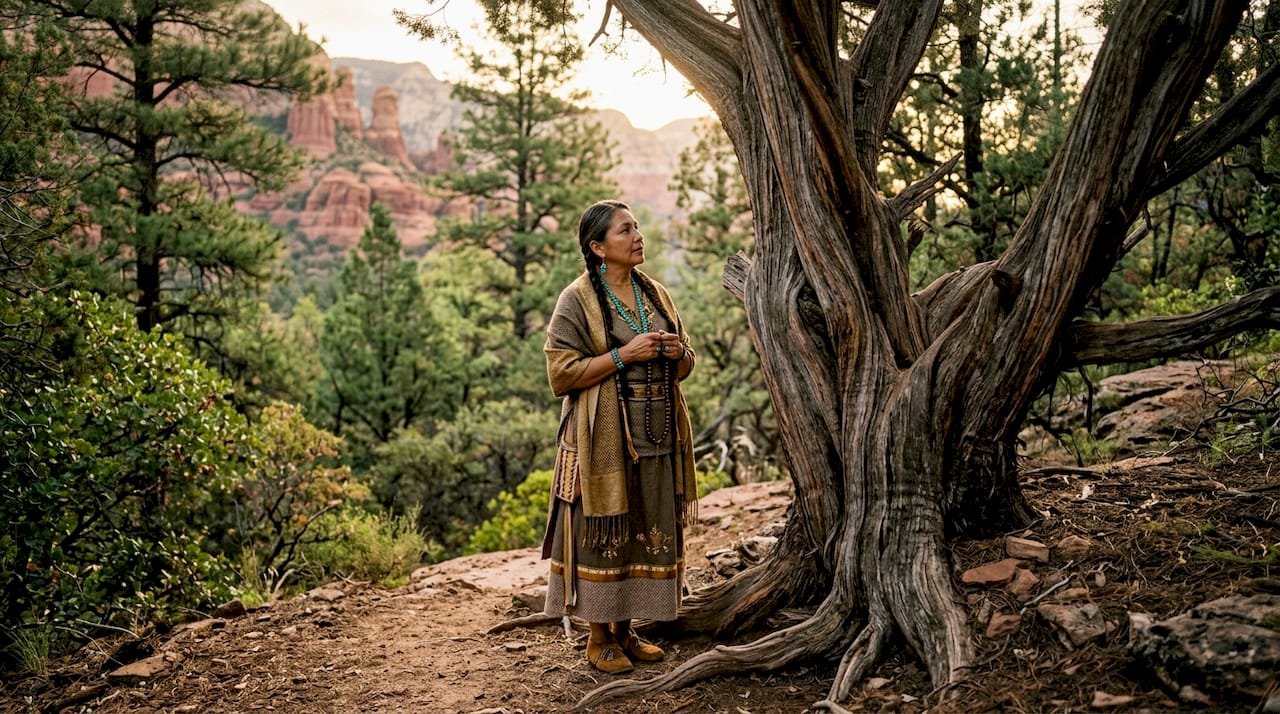
The contemporary vortex concept blends geological observation with spiritual intention. Sedona sits on a complex of iron-rich sandstone formations that produce measurable magnetic field variations, and many practitioners believe these variations interact with human energy in ways that amplify meditation, emotional processing, and self-reflection. Boynton Canyon's vortex is described as enveloping rather than intense, softer than the electric charge at Bell Rock or the upward pull at Airport Mesa. Local guides who have worked this area since the early 1990s describe it as the site most conducive to relationship healing, honest self-examination, and a quiet sense of peace.
What visitors commonly report:
- A feeling of deep calm that arrives within minutes of reaching the overlook
- Skin tingling or a subtle warmth, particularly in the hands and chest
- Emotional releases, sometimes unexpected, including tears or sudden clarity
- A slowing of mental chatter, described by many as the closest thing to effortless meditation they have experienced
Twisted juniper trees grow throughout the site, their trunks spiraling in ways that many locals interpret as a physical expression of the vortex energy. Whether or not you accept that interpretation, the trees are genuinely striking.
Respecting the site is not optional etiquette. The Yavapai-Apache Nation considers this land sacred, and visitors are asked to stay on marked trails, avoid moving or stacking rocks, keep noise low, and leave no trace. Approaching Indigenous sacred sites with that level of care is both the right thing to do and, practically speaking, what preserves access for future visitors. Spiritual tourism is growing across the American Southwest, and the sites that remain open and intact are the ones where visitors have consistently shown respect.
What to expect and how to make the most of your visit
The overlook frames Kachina Woman Rock and Warrior Butte on either side, with Ponderosa pine forests filling the canyon floor below and distant mountains visible on clear days. The visual alone is worth the hike. But most people come for something harder to photograph.
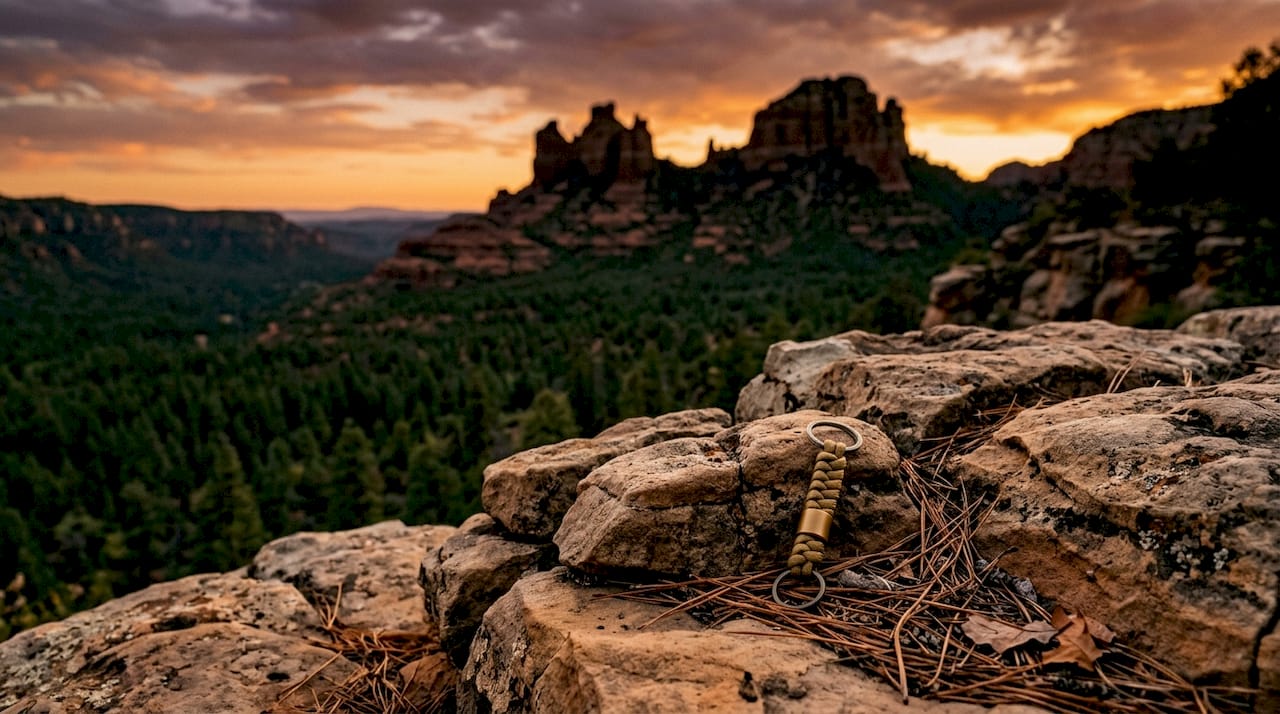
The vortex experience is shaped as much by mindset as by geology. Visitors who arrive distracted, phone in hand, rarely report feeling anything unusual. Those who sit quietly for ten minutes, breathe deliberately, and pay attention to physical sensation tend to describe the site as one of the most affecting places they have visited. That is not mysticism; it is what focused attention in a beautiful, quiet place tends to produce.
Practical tips for a meaningful visit:
- Arrive early, ideally at or just after sunrise, when the canyon is cool and crowds are thin
- Sit on the sandstone ledge rather than standing; physical contact with the rock seems to deepen the experience for many visitors
- Bring a journal. Several visitors report that insights arrive quickly at this site and fade just as fast
- If you feel nothing immediately, stay longer. The balanced energy here is described as gentle, not dramatic
- Avoid visiting on holiday weekends if solitude matters to you; the trail is popular and the overlook is small
- Midweek mornings in March, April, October, and November offer the best combination of weather, light, and quiet
Pro Tip: Your mental state going in matters more than most guides admit. If you arrive with a specific intention, whether that is clarity on a decision, emotional release, or simply gratitude for being in a remarkable place, you give the experience a frame. Visitors who arrive with no expectation and an open posture consistently report the most vivid experiences.
The site is small. When others are present, give them space and keep your voice low. The overlook can hold perhaps a dozen people comfortably, but the experience changes significantly when it feels crowded.
Exploring Boynton Canyon with a private guided tour
Hiking to the vortex independently is entirely doable, but a knowledgeable guide changes what you take away from the experience. Grandcanyonjourneys offers private Sedona tours that cover the canyon's spiritual history, Indigenous cultural context, and geological story in ways that a trailhead sign simply cannot. Every guide is Wilderness First Responder (WFR) certified, which matters on exposed desert terrain where conditions shift quickly.
What a guided Sedona experience with Grandcanyonjourneys includes:
- Door-to-door pickup in a late-model luxury SUV or custom transit van with panoramic windows
- Expert interpretation of vortex energy, Yavapai-Apache history, and red rock geology
- All logistics handled, including parking, Red Rock Pass fees, and route planning
- Flexible pacing so you spend as long as you want at the overlook
- Optional add-ons including red rock sightseeing combined with a guided hike or a private wine tasting at a Verde Valley winery
For visitors interested in private guided cultural tours, the difference between a self-guided visit and a well-led private tour is usually the depth of context you carry home. Knowing that the Yavapai-Apache have prayed in this canyon for centuries, or understanding why the twisted junipers grow the way they do, transforms a scenic hike into something you actually remember.
Grandcanyonjourneys also offers extensions beyond Sedona, including the Grand Canyon South Rim, Wupatki National Monument, and Antelope Canyon, making it straightforward to build a multi-day Northern Arizona itinerary around a Boynton Canyon visit.
See Sedona's vortex country the way it deserves
Grandcanyonjourneys is the private alternative to crowded group tours for travelers who want Sedona's spiritual and natural depth without the logistics headache. The Sedona Highlights tour covers the canyon's most significant vortex sites with expert cultural interpretation, all-inclusive pricing, and the kind of unhurried pace that makes the experience stick.
This is not a bus tour with 40 strangers. Every itinerary is built around your group, your pace, and what you actually want from the day. Whether you are drawn to the vortex for spiritual reasons, natural beauty, or both, Grandcanyonjourneys puts you there with the right context and none of the friction. Browse luxury Arizona experiences or book your private Sedona tour directly to reserve your date.
Key Takeaways
The Boynton Canyon Vortex is Sedona's most balanced energy site, combining masculine and feminine electromagnetic energies in a 1.1-mile round-trip hike that rewards both spiritual seekers and nature lovers.
| Point | Details |
|---|---|
| Trail length and difficulty | The hike is 1.1 miles round-trip, rated easy to moderate, with one short steep section near the overlook. |
| Arrive early, park smart | Parking fills fast; arrive before sunrise and carry a valid Red Rock Pass to avoid missing your spot. |
| Mindset shapes the experience | Visitors who sit quietly with a clear intention consistently report the most meaningful vortex encounters. |
| Respect Indigenous heritage | The Yavapai-Apache regard Boynton Canyon as sacred; stay on trails, keep noise low, and leave no trace. |
| Grandcanyonjourneys guided tours | Private, WFR-certified guided tours cover vortex history, Indigenous context, and all logistics door-to-door. |