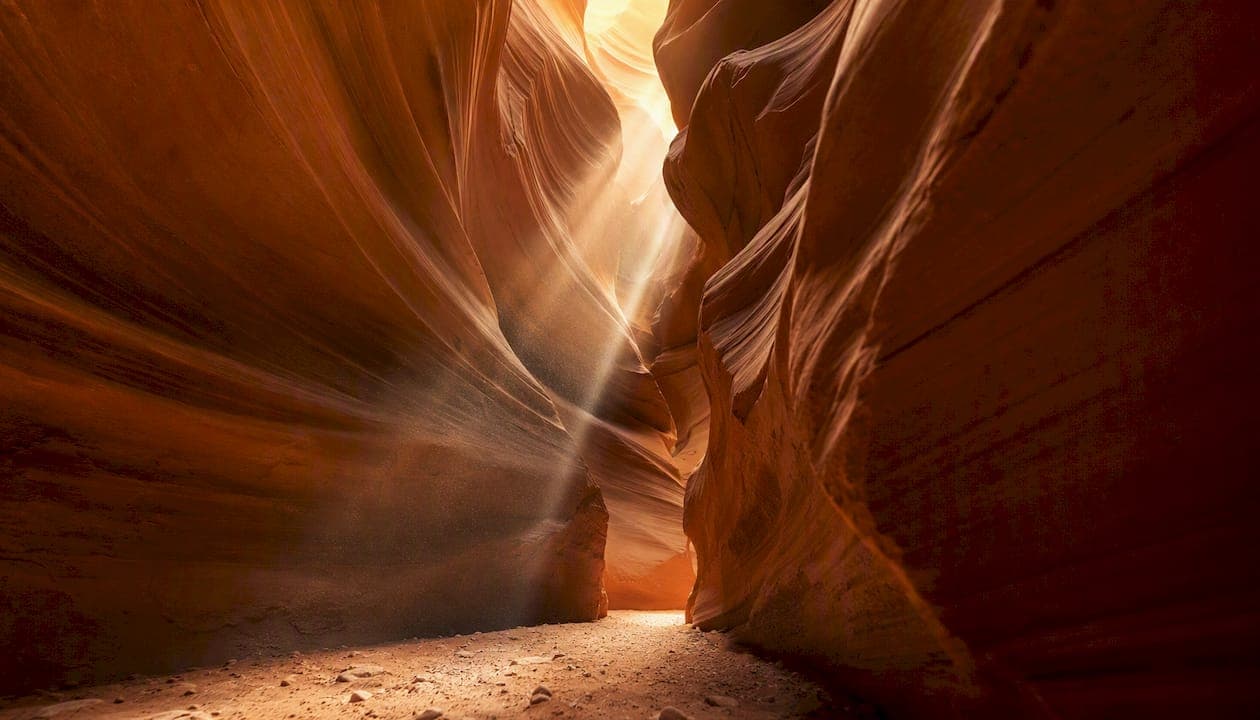
Yes, a Navajo guide is required. Every slot canyon within Antelope Tribal Park, including Upper Antelope, Lower Antelope, and Secret Antelope Canyon, sits on Navajo Nation land. You cannot enter without an authorized Navajo operator. This is not a suggestion or a formality — it is a condition of access enforced by Navajo Nation Parks and Recreation.
Your first move: confirm your operator appears on the Navajo Nation Parks authorized list before you pay anything. Operators not on that list cannot legally bring you inside.
- Authorization required: Only Navajo Nation-permitted operators may lead tours inside Antelope Tribal Park slot canyons.
- Entry fees: An entry fee per person per location applies and is typically included in your tour price — confirm this when booking.
- Booking signal: If an operator's name does not appear on the Navajo Nation Parks operator page, walk away.
- Private option: Travelers who want a fully managed, door-to-door experience can reserve a private Antelope Canyon and Horseshoe Bend itinerary through Grand Canyon Journeys, which includes authorized Navajo-guided access.
Pro Tip: Book at least 4–6 weeks ahead for spring and summer visits. Authorized tours sell out weeks in advance, and last-minute availability is rare during peak season.
Key Takeaways
Navajo-guided access is legally required for every Antelope Tribal Park slot canyon, and booking an authorized operator is the single most important step before any other planning.
| Point | Details |
|---|---|
| Navajo guide required | All Antelope Tribal Park slot canyons require an authorized Navajo guide — no self-guided access exists. |
| Verify before you pay | Confirm your operator appears on the Navajo Nation Parks authorized list before booking. |
| Tour length and cost | Traveler reports cite tours of around 90 minutes, with prices typically in the $95–$135 range. |
| Flash-flood safety | Guides monitor weather and hold evacuation authority — follow their instructions without question. |
| Grand Canyon Journeys | Offers private, fully managed itineraries with authorized Navajo-guided slot canyon access and door-to-door pickup. |
Table of Contents
- What actually happens on a Navajo-guided slot canyon tour?
- Which slot canyons should you visit?
- How do you book an authorized Navajo-guided tour?
- How to behave respectfully inside a Navajo slot canyon
- How to choose the right Navajo-guided tour
- Safety, accessibility, and physical demands by canyon
- Photography tips and the best time for light beams
- What to pack for a Navajo-guided slot canyon tour
- Why Grand Canyon Journeys is worth booking for this experience
- Private Navajo-guided slot canyon tours with Grand Canyon Journeys
- Sources
What actually happens on a Navajo-guided slot canyon tour?
Most tours follow a predictable rhythm, but the experience inside the canyon is anything but routine.
You check in at the operator's staging area near Page, Arizona, typically 15–30 minutes before your tour window. From there, a shuttle or vehicle takes your group to the trailhead — the canyon entrances are not walkable from town. Once inside, your Navajo guide leads the group through the passageways at a measured pace, pausing at key formations to explain their names, cultural significance, and the geological forces that carved them. Traveler reviews consistently report tour durations around an hour and a half and a broad pricing range commonly seen among operators.
What the guide actually does matters more than most visitors expect. Inside a narrow slot canyon, crowd flow is everything. Your guide manages spacing between groups, signals when to pause for photos, and keeps the line moving so no one gets bottlenecked in a tight passage. They also read the light — pointing out when a shaft is about to hit a particular wall, or when the angle is worth waiting an extra 30 seconds for.
- Check-in: Arrive 15–30 minutes early; late arrivals may forfeit their spot.
- Shuttle to trailhead: Most operators use vehicles; the ride is short but necessary.
- Guided walk: Typically 60–90 minutes inside the canyon, depending on tour type.
- Photo stops: Guides pause at signature formations and light windows.
- Return: Shuttle back to the staging area; no self-guided return option.
Group size shapes the experience significantly. Larger public tours can feel rushed; smaller private groups get more time at each formation and a more personal exchange with the guide.
Pro Tip: Mid-week morning tours (Tuesday through Thursday, before 10 AM) tend to have fewer groups inside simultaneously — even in peak season. The canyon does not get quieter, but the pauses between groups do.
Which slot canyons should you visit?
The three main options near Page each offer something different, and the right choice depends on what you are actually after.
Upper and Lower Antelope Canyon are the most visited, but they attract crowds for different reasons. Upper Antelope (Tsé bighánílíní, "the place where water runs through rocks") is the one you have seen in photographs. Its wide, wave-like chambers and famous light beams draw photographers from around the world. The terrain is relatively flat and accessible, making it the better choice for families or travelers with limited mobility. Lower Antelope (Hazdistazí, "spiral rock arches") runs deeper underground, accessed by a series of metal staircases. The passages are narrower, the light is different, and the crowds are often slightly smaller — though that gap has narrowed in recent years.
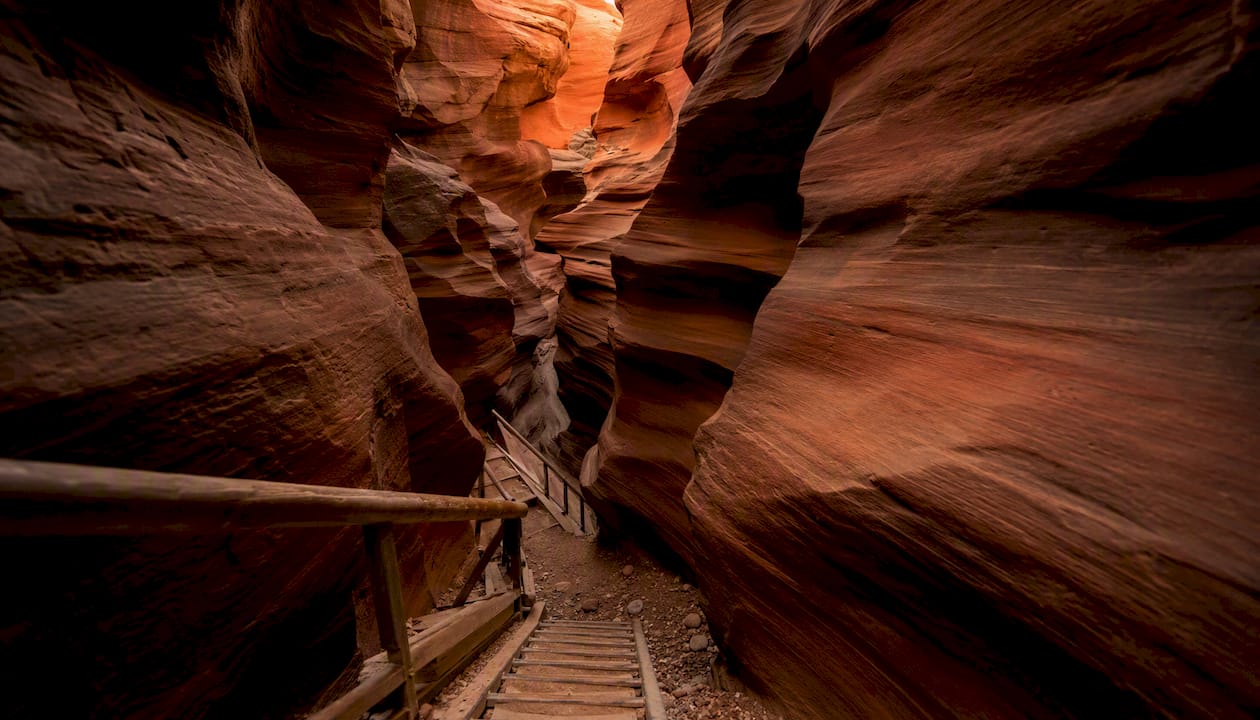
Secret Antelope Canyon sits apart from both. Fewer visitors know about it, and the experience tends to feel more intimate. For travelers who want fewer people and a quieter exchange with their guide, it is worth the extra research. Grand Canyon Journeys' Secret Antelope Canyon guide covers what to expect there in detail.
| Canyon | Best For | Physical Demand | Signature Feature |
|---|---|---|---|
| Lower Antelope | Adventurous visitors | Moderate (stairs) | Deep passages, spiral arches |
| Secret Antelope | Solitude seekers | Low to moderate | Fewer crowds, intimate scale |
- Upper Antelope suits travelers with mobility concerns or strollers (though stroller access varies by operator — confirm ahead).
- Lower Antelope's staircases make it less suitable for visitors with knee or hip limitations.
- Secret Antelope is the least-visited of the three and often the most rewarding for travelers who prioritize atmosphere over iconic shots.
Pro Tip: Light beams in Upper Antelope appear most dramatically from late March through early October, roughly between 10 AM and 1 PM. Outside those windows, the canyon is still stunning — just different. Do not skip it in winter; the colors are richer and the crowds are a fraction of summer.
How do you book an authorized Navajo-guided tour?
The process is straightforward, but skipping any step creates real risk of arriving at the canyon without valid access.
- Verify the operator. Check the Navajo Nation Parks authorized operator list before booking anywhere else. If the company is not listed, it is not authorized.
- Confirm permit and fee coverage. Ask explicitly whether the Navajo Nation entry fee is included in your tour price. Some operators list it separately; others bundle it. The fee applies per person, per location.
- Check timing and transport. Confirm your exact check-in window, whether shuttle transport to the trailhead is included, and where you need to be and when.
- Review the cancellation policy. Peak-season tours fill fast. Understand the refund terms before you pay, especially if your travel dates are flexible.
- Pay and get written confirmation. A legitimate operator sends a booking confirmation with your tour time, meeting point, and operator contact details. Keep it accessible on your phone.
Trust signals worth looking for: the operator's name on the Navajo Nation Parks page, a clear cancellation and refund policy, WFR-certified (Wilderness First Responder) guides, and a stated group-size cap. Small-group and private options are available from several authorized operators and are worth the premium for a less rushed experience.
Booking signal: Authorized operators will always be able to tell you their Navajo Nation permit number. If an operator hesitates or deflects that question, that is a red flag.
Red flags to avoid: operators not listed on the Navajo Nation Parks page, unusually low prices with no explanation of what is excluded, vague language about "permit arrangements," and no stated safety protocols.
How to behave respectfully inside a Navajo slot canyon
Antelope Canyon is a Navajo Tribal Park and a site of genuine spiritual significance to the Diné people. The canyon is not just a scenic backdrop — it carries cultural and ceremonial meaning that predates tourism by centuries. Navajo-operated tour companies frame the visit explicitly as entering a sacred space, and your guide will often open the tour with that context.
Respectful behavior is not complicated, but it does require paying attention.
- Follow your guide's instructions without negotiating. If the guide says stop, stop. If they say no photos here, that applies to everyone.
- Do not climb on rock formations. The sandstone is fragile and the act itself is disrespectful regardless of the physical risk.
- Ask before photographing people. This includes other visitors and, especially, your guide or any Navajo staff.
- Accept storytelling without interrupting. Guides share cultural knowledge on their own terms. Questions are welcome; talking over the guide is not.
- Do not remove anything from the canyon. Sand, rocks, and natural objects are part of the site. Taking them is both disrespectful and prohibited.
- Dress modestly. There is no formal dress code, but revealing clothing is out of place in a sacred site.
The guides who work these canyons are stewards, not performers. The best visitor-guide exchanges happen when travelers arrive curious rather than transactional.
Pro Tip: Learning a few words of Diné Bizaad (Navajo language) — even just "ahéhee'" (thank you) — is noticed and appreciated. It signals that you came to engage, not just to photograph.
How to choose the right Navajo-guided tour
Not all authorized tours are the same. Here is a practical decision checklist before you commit.
- Confirm Navajo Nation authorization. This is non-negotiable. Check the official list.
- Check group size. Public tours can run 20+ people. Private and small-group tours cap much lower. Decide which experience you want before comparing prices.
- Clarify the photography policy. Tripods are generally not permitted on standard tours. Photography-specific tours exist and allow more time and equipment. Know which you are booking.
- Understand transportation. Is shuttle transport to the trailhead included? Where is the meeting point? Do you need your own vehicle to get there?
- Read the cancellation terms. Flash-flood closures happen. Confirm what happens to your booking if the canyon closes on your tour day.
- Ask about accessibility. If anyone in your group has mobility limitations, confirm the specific terrain and whether accommodations are available.
Questions to ask before booking:
- Is your company listed on the Navajo Nation Parks authorized operator page?
- Are Navajo Nation entry fees included in the tour price?
- What is the maximum group size for my tour?
- What is your cancellation policy if the canyon closes due to weather?
- Are your guides WFR-certified?
Red flags:
- No listing on the Navajo Nation Parks page
- Prices significantly below market without explanation
- Vague answers about permit coverage
- No stated safety or weather protocols
Safety, accessibility, and physical demands by canyon
The physical requirements vary enough between canyons that it is worth planning specifically rather than assuming all slot canyon tours are equivalent.
Upper Antelope is the most accessible. The canyon floor is sandy and relatively flat, and most of the walk is on level ground. It suits older travelers, families with children, and visitors with mild mobility limitations. Stroller access depends on the specific operator and tour type — confirm before booking.
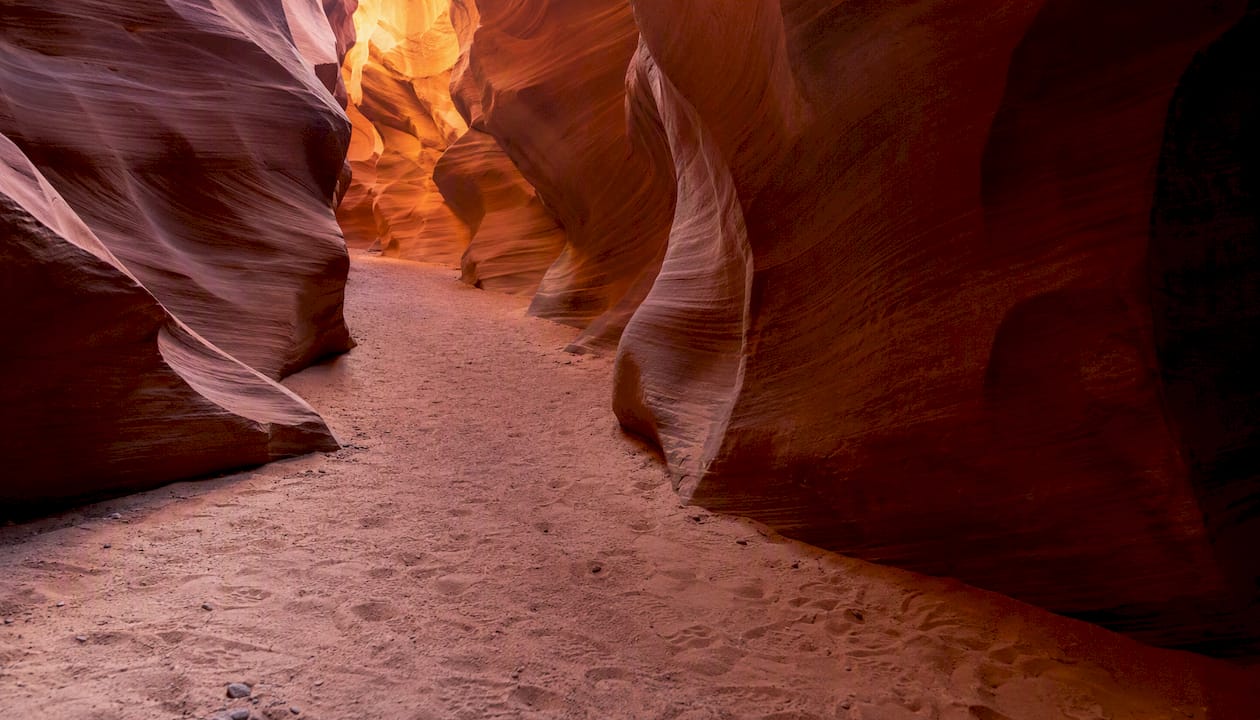
Lower Antelope involves a series of metal staircases to descend into and climb out of the canyon. The stairs are manageable for most adults but are not suitable for wheelchairs or visitors with significant knee or hip issues. Tour lengths at Lower Antelope vary: standard tours run about an hour, while deluxe options are longer, allowing more time for photography.
Flash-flood risk is real and should not be dismissed. The slot canyons are drainage channels, and a rainstorm miles away can send water rushing through with little warning. Authorized Navajo guides monitor weather conditions and have evacuation protocols. In 1997, a flash flood in Lower Antelope Canyon resulted in fatalities — the canyon has since implemented strict weather monitoring and closure procedures. Your guide's authority to evacuate or cancel is absolute; do not argue with it.
- Minimum age: Varies by operator; many require children to be at least 4–6 years old. Confirm with your specific operator.
- Footwear: Closed-toe shoes with grip are required. Sandals and flip-flops are not appropriate.
- Weather: Tours may be canceled or cut short due to rain anywhere in the watershed, not just at the canyon entrance.
- Accessibility resources: The Arizona Accessibility Guide from Grand Canyon Journeys covers mobility considerations for Northern Arizona canyon visits in detail.
The National Park Service's guidance for nearby Horseshoe Bend also covers relevant safety and access considerations for the Page, Arizona area that apply broadly to canyon planning.
Photography tips and the best time for light beams
The light beams that made Upper Antelope Canyon famous appear when sunlight enters through narrow openings in the rock above and cuts through dust particles suspended in the air. They are real, they are spectacular, and they are also seasonal and time-dependent.
Light beams occur most reliably in Upper Antelope from late March through early October, peaking around solar noon (roughly 11 AM to 1 PM). Local operator pages note that spring and summer are the prime windows. Outside those months, the sun angle is too low to produce the vertical shafts. The canyon is still worth visiting in fall and winter — the colors are deeper and the crowds are smaller — but set your expectations accordingly.
For serious photographers, a dedicated photography tour is the right call. Standard tours do not allow tripods and move at a pace set by the group. Photography tours cap group size, allow tripods, and give you more time at each formation. Book these well in advance; they sell out faster than standard tours.
Quick photography checklist:
- Camera settings: Start with ISO 400–800, aperture f/8, and adjust for the available light. The canyon interior is darker than it looks in photos.
- No tripod on standard tours. Bring a small gorilla-style mount or use burst mode for sharper handheld shots.
- Phone cameras: Modern smartphones handle the canyon well. Use portrait or pro mode and avoid flash.
- Ask your guide. Guides know exactly where to stand for the best angle at each formation. Ask — they will tell you.
- Dust in the air: Light beams are enhanced by fine sand particles. Guides sometimes toss sand into the beam for effect; watch for the moment.
- Protect your gear. Fine sand gets into everything. A camera bag with a zipper closure is worth it.
For a broader look at Arizona photography opportunities, Grand Canyon Journeys covers what to expect across Northern Arizona's most photogenic sites.
What to pack for a Navajo-guided slot canyon tour
Keep it simple. The canyon is a narrow, sandy environment, and most operators have clear-bag or small-bag policies that limit what you can bring inside.
Essentials:
- Water (at least 16–20 oz per person; the desert heat is serious)
- Closed-toe shoes with grip
- Hat and sunglasses for the walk to and from the canyon
- Sunscreen (apply before you arrive; aerosol sprays are often prohibited inside)
- Small camera or phone with a wrist or neck strap
- Confirmation email and ID
Leave behind:
- Tripods (unless you booked a photography tour that explicitly permits them)
- Large backpacks (many operators enforce a small-bag or clear-bag policy)
- Climbing gear or anything that suggests you plan to touch the walls
- Aerosol products of any kind inside the canyon
Seasonal additions:
- Summer: Extra water, cooling towel, light breathable layers. The canyon itself stays cooler than outside, but the walk to the entrance is exposed.
- Fall/Winter: Warm layers for early morning check-ins; temperatures drop sharply before sunrise in Page.
- Wet season (July–September): Be aware of monsoon weather. Your operator may cancel or modify the tour on short notice. Travel insurance is worth considering.
Authorized Navajo operators publish specific packing and check-in guidance on their websites — read it before your tour day.
Why Grand Canyon Journeys is worth booking for this experience
Grand Canyon Journeys is a Sedona-based private tour operator that builds fully managed, door-to-door itineraries across Northern Arizona, including slot canyon visits with authorized Navajo-guided access. The difference from booking a standard public tour is the level of control you have over the day.
Private itineraries through Grand Canyon Journeys include:
- Authorized Navajo-guided access to Secret Antelope Canyon and other Antelope-area slot canyons, with permits and entry fees handled as part of the package.
- WFR-certified guides who manage safety, pacing, and logistics from pickup to return.
- Door-to-door transport in late-model luxury SUVs and custom transit vans with climate control and panoramic windows — no rental car, no navigation stress.
- Curated photo windows built into the itinerary so you are not rushing through the canyon on a public tour's schedule.
- Combined itineraries that pair slot canyon access with Horseshoe Bend, Wupatki National Monument, or other Northern Arizona highlights in a single day.
For travelers who want the cultural depth of a Navajo-guided experience without the logistics of piecing it together independently, this is the practical choice. The Grand Canyon Travel Planner is a good starting point if you are still building your Northern Arizona itinerary.
Why Navajo-guided visits are worth doing right
There is a version of the Antelope Canyon visit that is purely transactional: you show up, walk through, take photos, leave. Plenty of people do it that way. But the guides who work these canyons carry knowledge that does not appear on any information panel. The names of the formations, the stories tied to specific passages, the way the Diné relationship to water and stone shapes how the canyon is understood — none of that is available without a guide who chooses to share it.
Following Navajo protocol is not just about compliance. It changes what you take away from the visit. Travelers who arrive with genuine curiosity and respect tend to have longer conversations with their guides, hear stories that do not make it into the standard tour script, and leave with something closer to understanding than just a photo set. That exchange also supports the Navajo families and communities whose stewardship keeps these places intact. Booking an authorized operator and behaving respectfully inside the canyon are the two most direct ways a visitor can contribute to that.
Private Navajo-guided slot canyon tours with Grand Canyon Journeys
For travelers who want authorized Navajo-guided access without the logistics of coordinating operators, shuttles, and permits independently, Grand Canyon Journeys handles every detail. Private itineraries include confirmed Navajo-guided access, door-to-door pickup from Sedona or Flagstaff, WFR-certified guide support, and curated timing for the best light windows.
Before you book, confirm your itinerary covers:
- Operator listed on the Navajo Nation Parks authorized page
- Navajo Nation entry fees included in the tour price
- Door-to-door pickup and shuttle to the trailhead
- Small-group or private access (not a large public tour)
- Clear cancellation policy for weather-related closures
Reserve your private Antelope Canyon experience through Grand Canyon Journeys and arrive knowing every detail is already handled.
Sources
- Antelope Canyon Tour Operators
- Horseshoe Bend — National Park Service
- Antelope Canyon Tours from Page, AZ | Upper, Lower & ...
- Antelope Canyon Navajo Tours - All You SHOULD Know ...