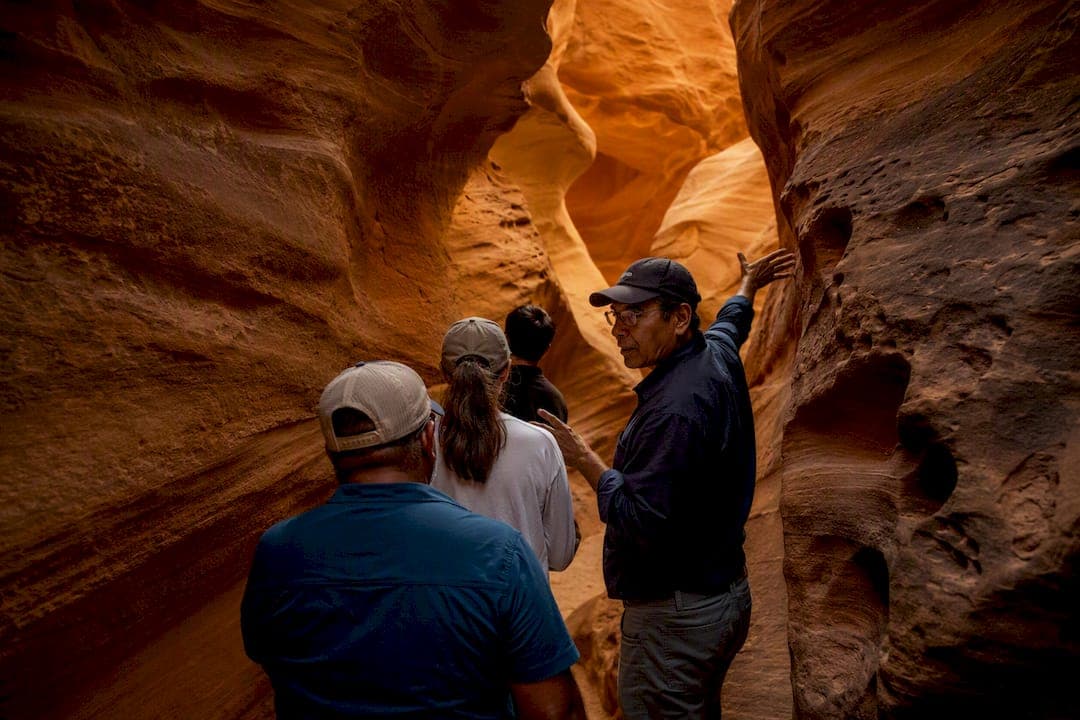
You cannot walk into Upper or Lower Antelope Canyon on your own. Every visitor books a Navajo-guided tour, pays a $15 Navajo Tribal Park entry fee per person per location per day, and skips any hope of a standalone photography permit, since Navajo Nation Parks and Recreation isn't issuing those right now.
TL;DR:
- Navajo-guided tours are mandatory for entrance, with the entry fee of $15 per person per location, and do not include standalone photography permits, which are currently unavailable.
- Permits are divided into three types: entry fee, backcountry permit for overnight hiking, and photography permits, with the latter not issued anymore for Antelope Canyon.
- On-site safety rules prohibit drones, tripods, and large bags, while accessibility options vary; Lower Canyon's stairs limit mobility for many visitors.
- Booking should be done at least two to four weeks in advance through Navajo-authorized operators, with confirmed fees and accommodations for mobility or special requests.
- Managing logistics through experienced tour operators simplifies permit, fee, and timing coordination, especially when combining Antelope Canyon with other Northern Arizona attractions.
Table of Contents
- Antelope Canyon Permits: The Three Types You'll Actually Encounter
- Why Guided Tours Aren't Optional Here
- Where to Buy Permits and Who to Call
- On-Site Rules, Safety, and What Accessibility Really Looks Like
- Booking Timing and What to Pack
- Why a Managed Tour Removes Most of the Permit Headache
- The Antelope Canyon Trip Most Guides Don't Mention
- Skip the Permit Puzzle With a Fully Managed Visit
- Sources
Antelope Canyon Permits: The Three Types You'll Actually Encounter
Most people searching for "permits" expect a single form to fill out. That's not how it works here. Navajo Nation splits access into three distinct categories, and mixing them up is the fastest way to get a surprise charge at check-in.
- Entry fee — $15 per person, per location, per day, charged by the Navajo Tribal Park system for stepping onto tribal land. This is separate from whatever your tour operator charges for the guide and transport.
- Backcountry permit — required only if you're hiking overnight in Navajo Tribal Parks. It runs $15 per person, per night, and you sign in and out at a park location or visitor center.
- Photography/filming permit — currently unavailable for Upper or Lower Antelope Canyon. Navajo Parks stopped issuing them, meaning the old tripod-friendly photo tours are no longer available.
That last point trips up a lot of photographers who did their research five years ago and assumed nothing changed. It did. If a permit does get issued for a special film shoot, it's invoiced separately and still requires a Navajo-guided tour operator, not independent access.
Why Guided Tours Aren't Optional Here
There's no gate you can walk through with a $15 receipt and a flashlight. Navajo Nation requires a licensed guide for every visitor at every Antelope Canyon location, full stop. Here's what that actually means for your booking:
- The entry fee usually gets bundled into your tour price, but not always. Ask your operator directly whether the $15 per person shows up as a line item or gets folded into the total. Confirm this before you pay a deposit, not after you're standing at check-in confused about a second charge.
- Tours run short but tightly scheduled. Most Upper Canyon visits last 60 to 90 minutes with a set entry time. Lower Canyon adds steel stairs and a couple of ladder sections, so the mobility bar is higher than Upper.
- Check-in happens at a physical location near Page, Arizona, not at the canyon mouth itself. You'll typically meet your guide, show ID, and load into a tour vehicle for the short drive to the slot canyon entrance.
Because there's no public trailhead, arriving without a confirmed reservation gets you nowhere. Antelope Canyon simply isn't a walk-up destination.
Where to Buy Permits and Who to Call
Handling this yourself means going straight to the source instead of guessing from a blog post. Navajo Tribal Park entry fees and backcountry permits are sold at official park locations, including the Lake Powell Navajo Tribal Park office and visitor centers tied to specific tour operators.
- Contact the Navajo Nation Lake Powell office at (928) 645-0268 for current permit availability, fee questions, or backcountry sign-in details.
- Buy entry and backcountry permits directly at Navajo Tribal Park locations, not through third-party resellers.
- Book your actual canyon visit through a Navajo-authorized tour operator; permits alone don't get you inside.
Before you leave home, run through a short checklist: confirmed reservation email in hand, government-issued ID for everyone in your party, a payment method that matches what the operator accepts, and a saved phone number for your guide or booking office in case plans shift. Permit rules and fee amounts can change without much notice, so a five-minute call the week of your trip beats relying on last year's blog post.
On-Site Rules, Safety, and What Accessibility Really Looks Like
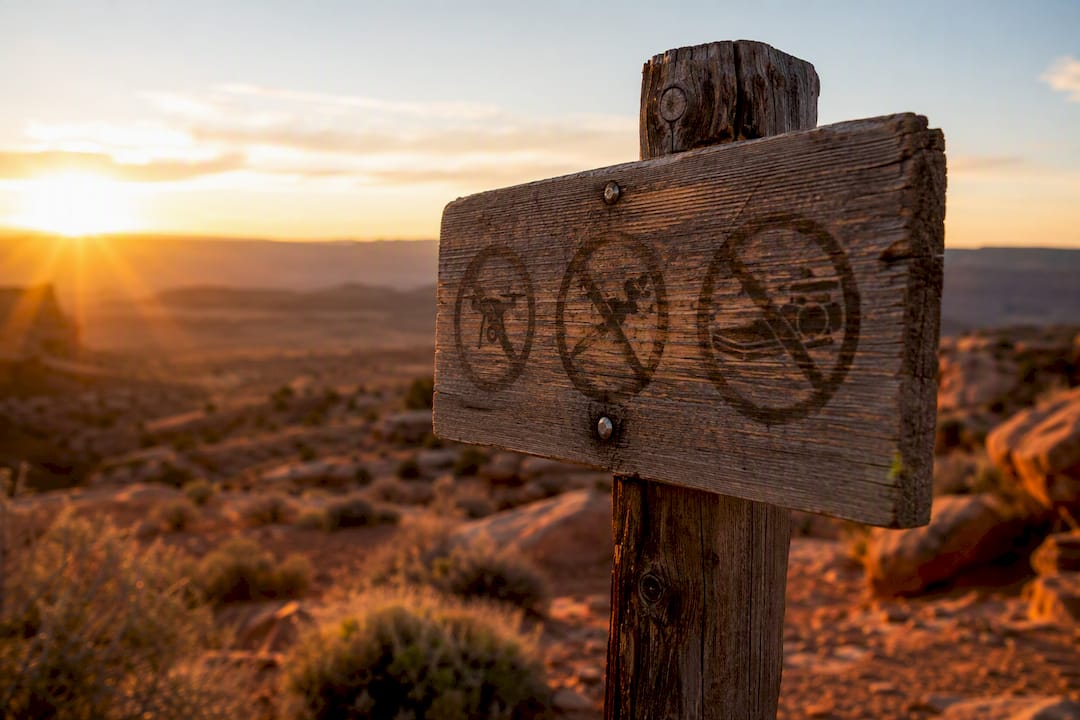
Drones are banned across Navajo Tribal Parks, and rangers will confiscate one if you fly it. Most standard tours also ban tripods and large bags, a policy that traces back to safety incidents and crowd management inside narrow canyon corridors. Navajo Nation Parks and Recreation states plainly that visitors enter at their own risk, which is worth taking seriously given how tight and unpredictable slot canyon conditions can get, especially during flash flood season.
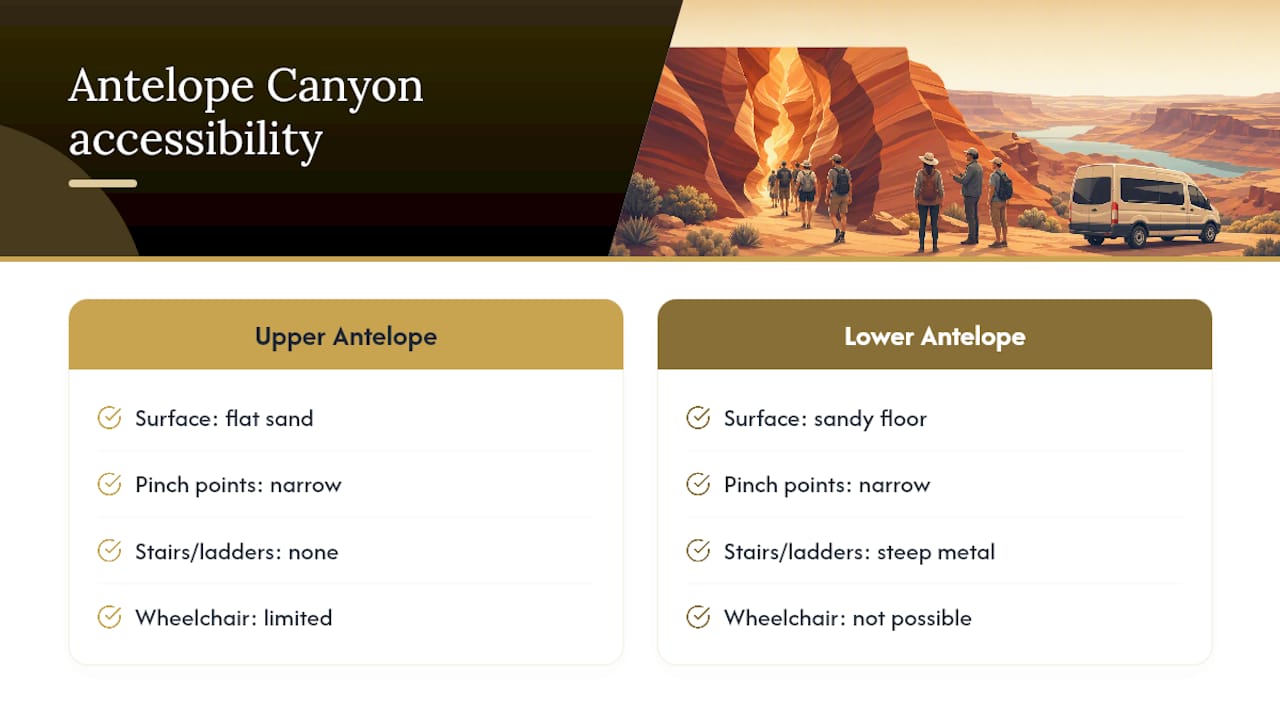
Accessibility is the part people underestimate most. Upper Antelope Canyon has flat sand but narrow pinch points; Lower Antelope Canyon adds steep metal stairs and ladder sections that rule out wheelchairs and make it tough for anyone with significant mobility limitations. If you're planning to combine this with a Grand Canyon stop, the National Park Service's accessibility guide lists which rim viewpoints and services at the Grand Canyon are wheelchair accessible, which helps you build a realistic itinerary instead of hoping it works out.
Pro Tip: Call your tour operator and describe your specific mobility situation in plain terms, not just "I have some trouble walking." Guides can often adjust group placement or pacing, but only if they know what they're working with before the trip.
Booking Timing and What to Pack
Spring, summer, and holiday weekends sell out Upper Canyon slots weeks in advance, especially the midday time blocks when light beams are visible. Waiting until you land in Page, Arizona, to book is a real gamble.
- Reserve your slot at least two to four weeks out for peak season; midday Upper Canyon tours are the first to fill.
- Bring water, closed-toe shoes with grip, and a phone or compact camera since tripods generally aren't allowed.
- Confirm your operator's exact bag and gear policy before arrival; rules vary slightly between companies.
- If tripod photography matters to you, ask about lesser-known Navajo-led slot canyon options rather than assuming standard tours will accommodate it.
Why a Managed Tour Removes Most of the Permit Headache
Because access to Antelope Canyon is entirely guided, the real work isn't finding a permit form. It's coordinating the entry fee, the tour reservation, and the check-in timing so nothing falls through the cracks on the one morning you're actually there. A private, Navajo-guided booking handles that reconciliation before you ever arrive, confirming fee line items and pickup logistics in advance instead of leaving you to sort it out at a counter in Page.
If you have mobility needs, a bad knee, or a request that doesn't fit a standard group tour, say so at booking, not on-site. Operators can plan around almost anything if they know early.
The Antelope Canyon Trip Most Guides Don't Mention
The permit rules get all the attention because they're confusing, but the bigger planning mistake is treating Antelope Canyon as a standalone errand instead of part of a longer Northern Arizona trip. Most travelers drive hours from Sedona or the Grand Canyon just for this canyon, then backtrack the next day for Horseshoe Bend or the South Rim they meant to see anyway.
The Navajo Nation's decision to pull photography permits wasn't arbitrary; it followed real crowding and safety problems inside a canyon that's only a few feet wide in places. That context matters if you're annoyed about not being able to bring a tripod. It's not red tape for its own sake. It's the same instinct that keeps drones grounded and guides mandatory: a narrow sandstone corridor with a few hundred people moving through it daily doesn't tolerate improvisation well.
What actually solves the logistics problem isn't finding a workaround. It's picking a trip structure where someone else has already confirmed the fee lines, the tour slot, and the pickup time before you show up.
— Chris
Skip the Permit Puzzle With a Fully Managed Visit
Grand Canyon Journeys arranges the entire Antelope Canyon logistics chain so you're not the one calling Navajo Parks and Recreation to double check a fee line. Working out of Sedona, the team coordinates directly with Navajo-authorized tour operators, reconciles entry fees against your itinerary in advance, and pairs the visit with Wilderness First Responder certified guides who can flag accessibility concerns before you ever reach the canyon check-in point.
That kind of coordination matters most when you're stacking Antelope Canyon with Horseshoe Bend or a Grand Canyon rim day, since each stop has its own timing window and fee structure. The Antelope Canyon & Horseshoe Bend private tour folds both into one door-to-door day, and the Grand Canyon travel planner is a solid starting point if you're still mapping out the rest of your trip. Reach out with your dates and any accessibility needs, and the team will build the itinerary around them rather than the other way around.
Sources
- Lake Powell Navajo Tribal Park | Navajo Nation Parks & Recreation
- Permits in Navajo Nation | Navajo Nation Parks & Recreation
- Antelope Canyon Tour Operators | Navajo Nation Parks & Recreation
- Grand Canyon accessibility guide — National Park Service