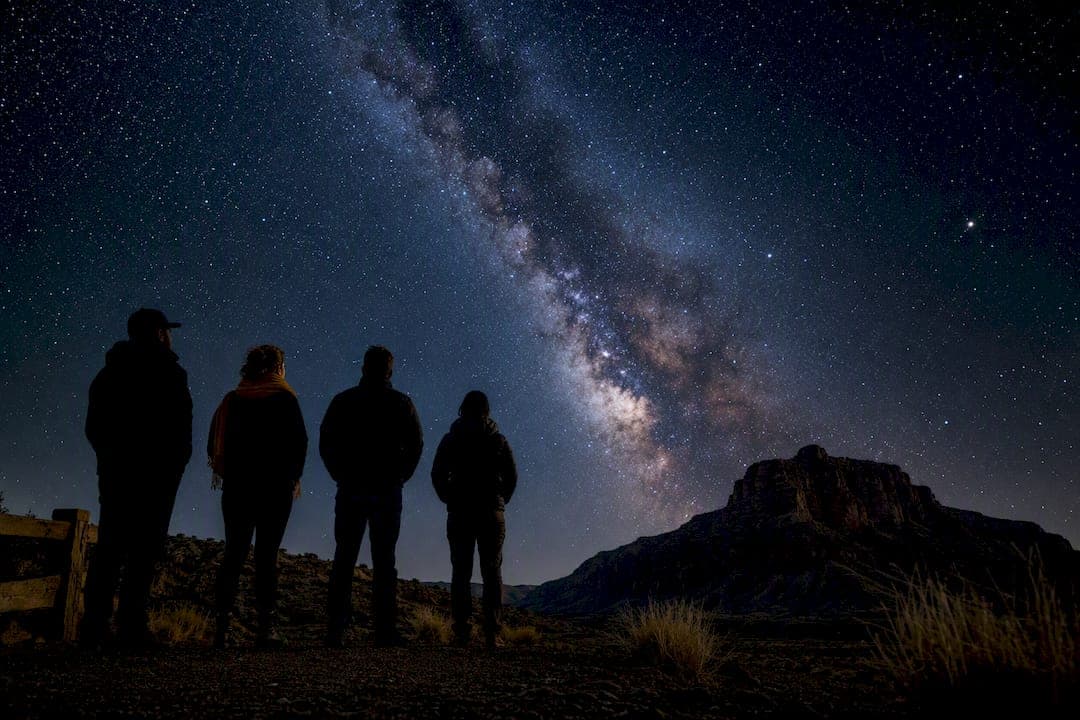
Grand Canyon National Park, Petrified Forest National Park, Kartchner Caverns State Park, Oracle State Park, and Organ Pipe Cactus National Monument make up the core lineup of certified Arizona Dark Sky Parks worth building a trip around. Each one delivers naked-eye Milky Way views, visible planets, and ranger-led night programs you won't find under city skies. The details on which park fits your trip, and how to plan around the moon, are below.
TL;DR:
- Active management and ongoing lighting improvements are essential for maximizing the quality of stargazing at Arizona's Dark Sky Parks.
- The best viewing conditions occur during new moon phases, particularly between March and October, with the galactic core rising earlier in summer.
- Parks like Kartchner Caverns and Grand Canyon offer ranger programs and monitored lighting, but weather and access can vary seasonally.
- Backcountry permits and early bookings are necessary for overnight stargazing at remote parks like Petrified Forest and Organ Pipe Cactus.
- Guided tours and observatories provide comfortable alternatives for those who prefer not to camp or navigate desert roads independently.
Table of Contents
- What Are Arizona's Certified Dark Sky Parks?
- What Should You Expect at Each Major Park?
- Where Can You Watch the Sky Beyond the Backcountry?
- When Is the Best Time to Go?
- What Gear and Habits Actually Improve Your View?
- What Does a Local Guide Add to a Dark Sky Trip?
- Why Arizona's Dark Skies Deserve More Than a Bucket-List Checkmark
- Sources
What Are Arizona's Certified Dark Sky Parks?
Arizona holds one of the largest concentrations of certified International Dark Sky Places in the country, spanning national parks, state parks, and entire towns that have rewritten their outdoor lighting codes. Here's the quick-reference shortlist:
- Grand Canyon National Park — best for iconic canyon-rim photography and ranger astronomy programs on both rims.
- Petrified Forest National Park — best for solitude; a significant portion of the park is designated wilderness with minimal artificial light.
- Kartchner Caverns State Park — best for pairing a daytime cave tour with an evening sky program near Benson.
- Oracle State Park — best for travelers based in Tucson who want dark skies without a long drive.
- Organ Pipe Cactus National Monument — best for the darkest, most remote skies in the state, plus desert camping.
Beyond parks, DarkSky International also certifies "communities," including Flagstaff, Sedona, and Bisbee, where lighting ordinances protect the sky without requiring backcountry camping. For the most current designations, DarkSky International's place finder and each park's own NPS or Arizona State Parks page remain the authoritative word.
What Should You Expect at Each Major Park?
Certification isn't a formality. It comes with active lighting management, monitoring, and programming that changes what you'll actually experience on the ground.
- Grand Canyon National Park. The park's Night Skies Program tracks light-scape improvements and runs regular ranger-led astronomy talks, and that ongoing monitoring was central to the park earning its Dark Sky Park certification in the first place. The South Rim has more infrastructure and easier access; the North Rim sits higher, sees fewer crowds, and closes seasonally, so check road status before planning a fall or spring trip.
- Petrified Forest National Park. Night viewing here means wide-open high-desert horizons with almost no competing light. Backcountry access for overnight stargazing requires a permit, so check the park's current backcountry rules before you head out after dark.
- Kartchner Caverns State Park. The park adopted a formal Lightscape Management Plan with strong early compliance from surrounding fixtures, a model other Arizona parks point to when explaining how designation actually gets earned. Above-ground night programs complement the cavern tours, making it a good stop if you want daytime and nighttime activities in one visit.
- Oracle State Park. The Santa Catalina Mountains block much of Tucson's skyglow, which is why Oracle State Park delivers surprisingly dark skies for a site so close to a major city. It's the easiest dark-sky park to reach without a long desert drive.
- Organ Pipe Cactus National Monument. After years of lighting retrofits and monitoring, Organ Pipe earned its designation with some of the darkest skies anywhere in Arizona. Camping and ranger astronomy programs run seasonally, so confirm hours before a summer visit when heat and monsoon storms can affect access.
Always check each park's alerts page before you go. Government shutdowns, wildfire smoke, and monsoon flooding can all change access with little notice.
Where Can You Watch the Sky Beyond the Backcountry?
Not every visitor wants to camp in the desert to see the Milky Way. Arizona's observatories and guided programs give you the same dark skies with more structure and comfort.
- Lowell Observatory in Flagstaff blends historic telescopes with planetarium shows and open-air viewing nights, making it valuable even if you never set foot in a park.
- Kitt Peak National Observatory sits southwest of Tucson on land astronomers chose specifically for its elevation and dry air, and it still hosts public night programs.
- Park-hosted star parties and astronomer-in-residence programs pop up seasonally at several Arizona parks and offer guided, ranger-narrated viewing.
- Private guided stargazing tours give you an easier, safer entry point if you'd rather not navigate unfamiliar terrain after dark, particularly useful for families and photographers who want expert setup help.
Families tend to do best with observatory visits and structured programs. Photographers usually want backcountry access for unobstructed foregrounds. Casual stargazers often get the most value from a guided tour that handles logistics for them.
When Is the Best Time to Go?
Timing your trip around the moon matters more than almost anything else; for detailed planning and the best months for viewing, see Iceland's Aurora Season. A full moon washes out the Milky Way's faint detail even in a certified Dark Sky Park, so plan around the new moon or the days just before and after it.
- Milky Way season runs roughly March through October across Arizona, with the galactic core rising higher and earlier as summer approaches.
- Meteor showers like the Perseids in August and Geminids in December add extra reason to plan a night under the stars.
- New moon nights or the hour after astronomical twilight ends give you the darkest possible sky.
- North Rim access at Grand Canyon closes seasonally, typically through the winter months, so confirm current status before booking anything tied to that side of the park.
- Permits and campground reservations fill up fast at popular parks during peak Milky Way season, so book ahead where reservations apply.
Arizona's high elevation, dry air, and vast stretches of protected public land give it some of the best naked-eye conditions for planets and the Milky Way anywhere in the country, but only if you show up on a clear, moonless night.
Pro Tip: Check the specific park's page and DarkSky International's listing within a week of your trip, not months ahead. Wildfire smoke, monsoon storms, and road closures change fast, and official park alerts are more current than any third-party guide.
What Gear and Habits Actually Improve Your View?
Your eyes need about 20 to 30 minutes in the dark to fully adjust, and one glance at a phone screen or white-beam flashlight resets that clock. Switch to a red-light headlamp for anything you do at camp or on a trail after sunset.
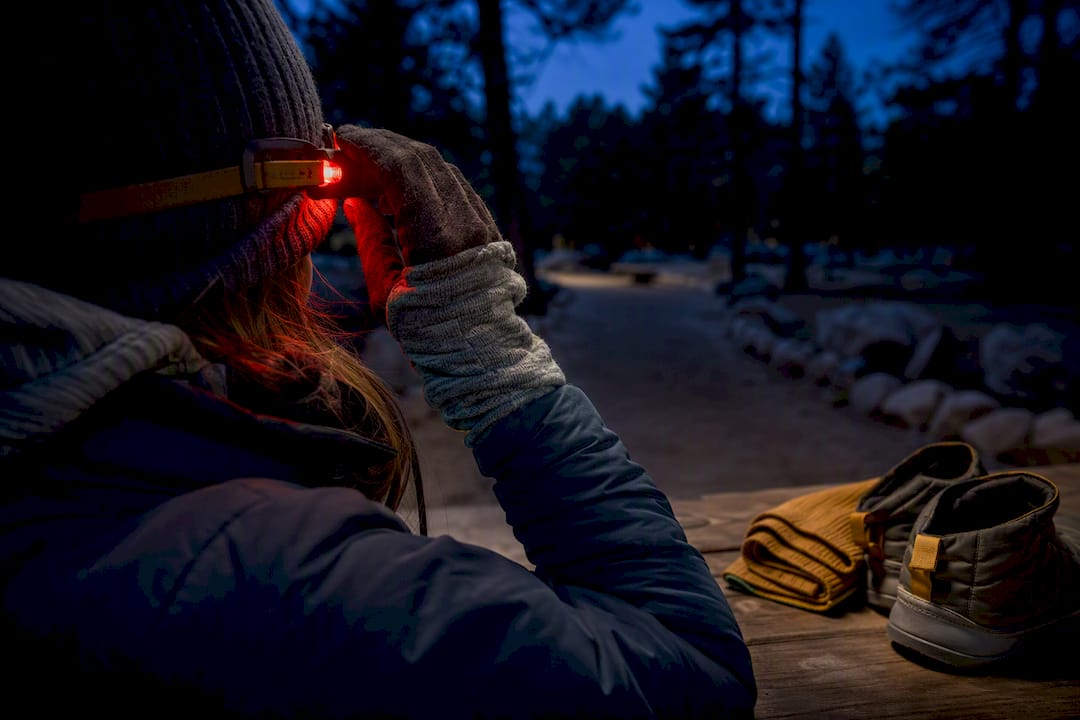
Temperatures at elevation drop fast once the sun goes down, even in summer, so pack real layers and insulated shoes, not just a jacket for the drive home. For gear, a pair of 10x50 binoculars covers most casual stargazing needs, while a basic tracking telescope opens up planetary detail; stargazing apps like Stellarium or SkySafari help identify what you're looking at in real time. If you're shooting astrophotography, the North Rim and South Rim of Grand Canyon offer completely different compositions, so scout your foreground and check the park's photography resources before committing to a complex shoot.
Pro Tip: Keep your red light pointed down and away from other stargazers. One bright white flashlight can undo everyone else's night vision in seconds. Watch for wildlife on unlit park roads after dark and drive slower than you think you need to.
What Does a Local Guide Add to a Dark Sky Trip?
Grand Canyon Journeys operates private tours out of Sedona, Flagstaff, and Williams, and stargazing is part of that lineup for travelers who'd rather not navigate unfamiliar desert roads alone at night. The Sedona stargazing tour pairs private astronomy guidance with the region's dark skies, and it fits naturally alongside a daytime canyon visit. Travelers coming from Flagstaff can lean on local departures near Lowell Observatory to combine an observatory stop with a private tour the same trip. If you're mapping out a longer Northern Arizona itinerary around dark skies, the Arizona stargazing guide is a useful next stop for comparing remote parks against guided options.
Why Arizona's Dark Skies Deserve More Than a Bucket-List Checkmark
Most guides to this topic treat the designation itself as the payoff, as if standing inside a certified boundary automatically guarantees a great night. It doesn't. A Dark Sky Park with a full moon overhead looks a lot like any other dark field, and that's the piece conventional advice keeps skipping past.
What actually separates a forgettable night from an unforgettable one is timing, not location. Pick the new moon over the "right" park, and you'll usually see more of the Milky Way in a mediocre spot than in a world-class one under a bright moon. Second to that: pick a park with active management, like Kartchner Caverns' lighting retrofits or Grand Canyon's ongoing Night Skies Program, because those places keep improving instead of coasting on a certification earned years ago.
If you're new to this, don't start with the most remote option. Start with something manageable, a Sedona evening tour or an observatory night in Flagstaff, then build up to Organ Pipe's backcountry darkness once you know what you're looking for.
— Chris
Ready to pair your dark-sky trip with a private Grand Canyon experience? Grand Canyon Journeys runs private Grand Canyon day tours from Sedona that fits naturally alongside an evening under the stars, with door-to-door pickup and all park fees handled for you. Browse the full lineup of private Grand Canyon tours to find the departure and itinerary that fits your trip.
Sources
- Dark Skies | Visit Arizona
- All International Dark Sky Places | DarkSky International
- Night Skies - Grand Canyon National Park (NPS)