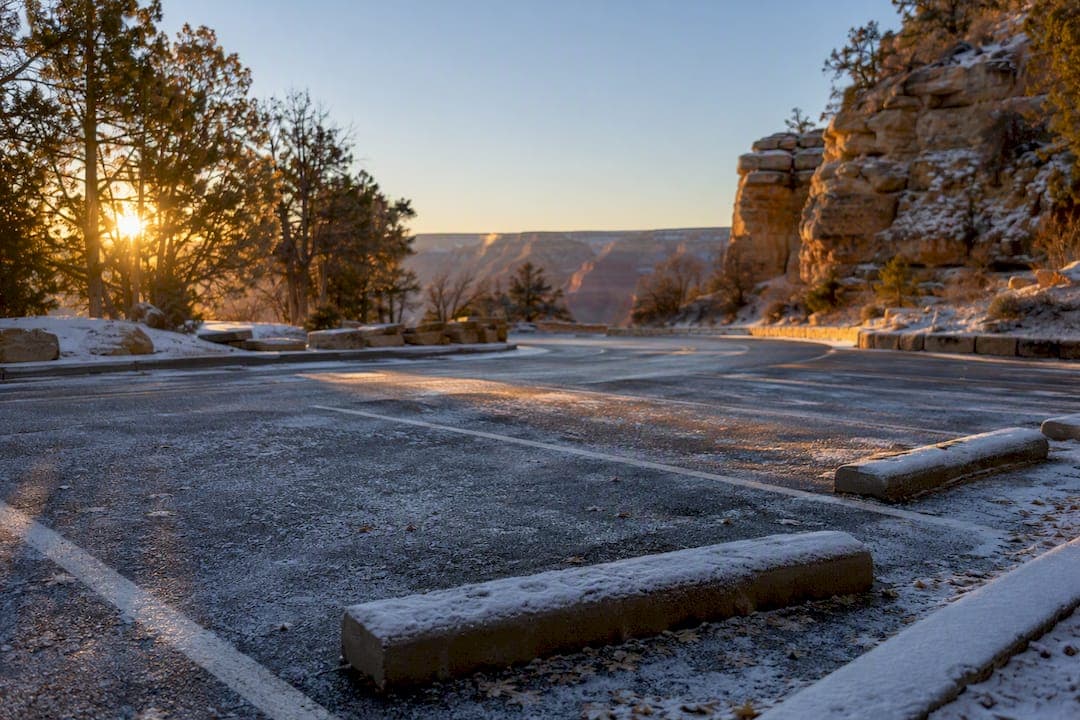
For the quietest Grand Canyon visit, target January through March or November and December, and go midweek, arriving before 9 a.m. Peak season runs June through August, when the South Rim sees its heaviest daily traffic and parking fills before mid-morning. Tuesday through Thursday consistently run calmer than weekends and holiday periods, and an early arrival matters more than the month you pick.
- Quietest months: January, February, November, December
- Peak months: June, July, August
- Best weekdays: Tuesday, Wednesday, Thursday
- Best arrival window: before 9 a.m., or at sunrise for east-facing overlooks like Mather Point
Statistic Callout: July regularly ranks as the park's single busiest month, while January is one of the quietest, with November close behind. Pick a month below, then match it to a weekday.
Key Takeaways
Crowd exposure at the Grand Canyon depends far more on weekday and arrival time than on month alone, and stacking both factors together beats either one on its own.
| Point | Details |
|---|---|
| Pick quiet months first | Target January–March, November, or December for the lowest overall visitor volume. |
| Go midweek | Tuesday through Thursday sees noticeably lighter traffic than weekends or holidays. |
| Arrive before 9 a.m. | Beats the parking crunch at Mather Point and the main visitor center. |
| Consider the North Rim | Open roughly mid-May to mid-October with a fraction of South Rim crowds. |
| Book lead times by season | Reserve 4 to 6 months out for summer, 2 to 3 months for shoulder season. |
Table of Contents
- Grand Canyon Crowd Calendar by Month
- Which Days and Arrival Times Actually Reduce Crowds?
- Which Holidays Create the Biggest Crowd Spikes?
- North Rim or South Rim: Which Fits Your Dates?
- What Should You Book, and When?
- How Is This Crowd Calendar Built?
- Book a Private Tour That Skips the Guesswork
- Editorial Take: Timing Beats Guesswork Every Time
- Sources
Grand Canyon Crowd Calendar by Month
Crowd pressure at the Grand Canyon follows school calendars, weather, and the North Rim's seasonal schedule more than anything else. Here's how each month typically shakes out.
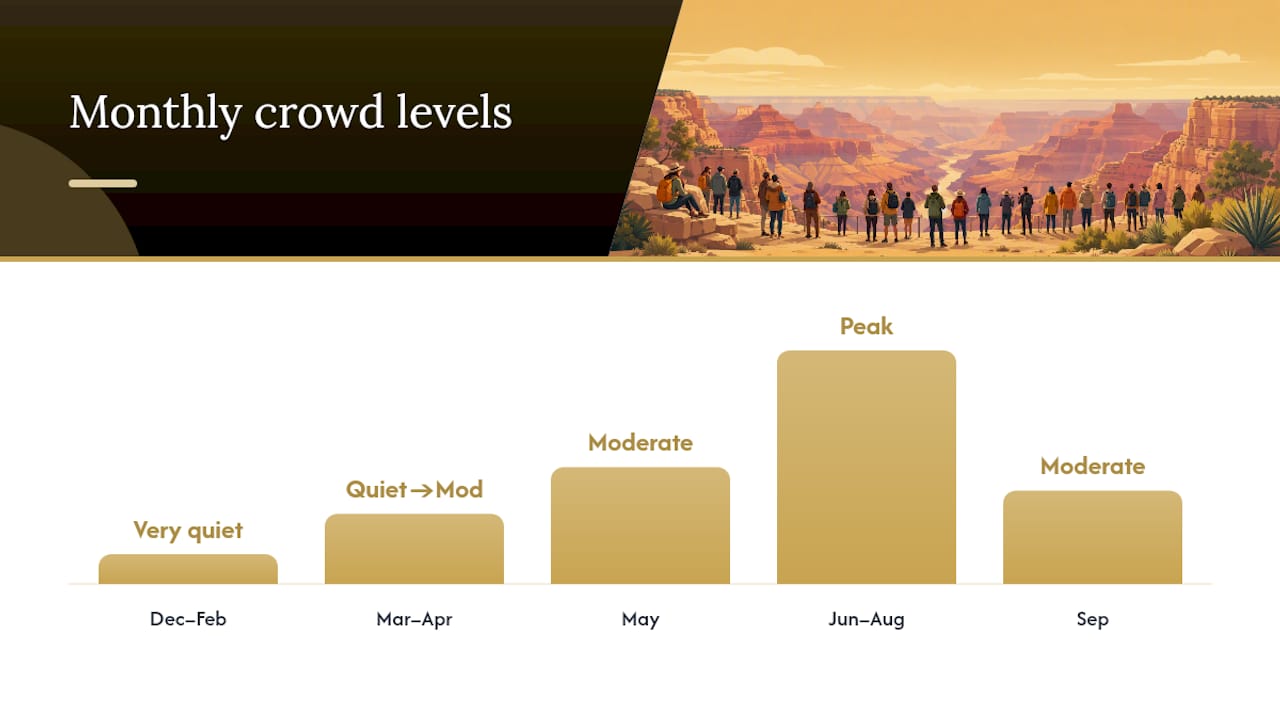
Winter (December, January, February): Very quiet. Snow dusts the rim, some services scale back, and the South Rim's daytime crowds thin out dramatically. This is when you can park at Mather Point without circling the lot twice.
March: Quiet, trending toward moderate. Spring break starts creeping in during the back half of the month, especially the last two weeks, so book earlier if your dates land there.
April: Moderate. Wildflowers, mild temperatures, and Easter break combine to pull in more visitors than March, but nothing close to summer volume.
May: Moderate, rising toward high by Memorial Day weekend. The North Rim typically reopens around mid-May, giving you a second, far less crowded access point right as South Rim numbers start climbing.
June, July, August: Peak. School's out nationwide, temperatures spike, and the inner canyon becomes genuinely hazardous for midday hiking. Parking lots near the visitor center fill by 9 or 10 a.m. on most days.
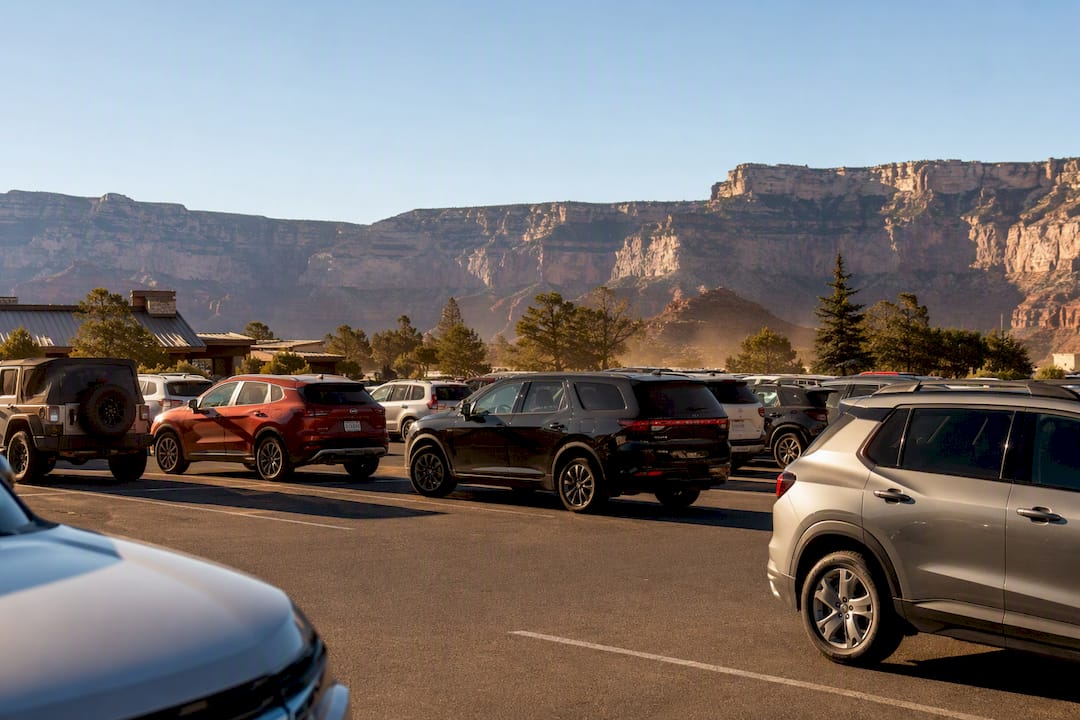
September: Moderate, dropping fast after Labor Day. Kids are back in school and the crowds thin noticeably within the first two weeks.
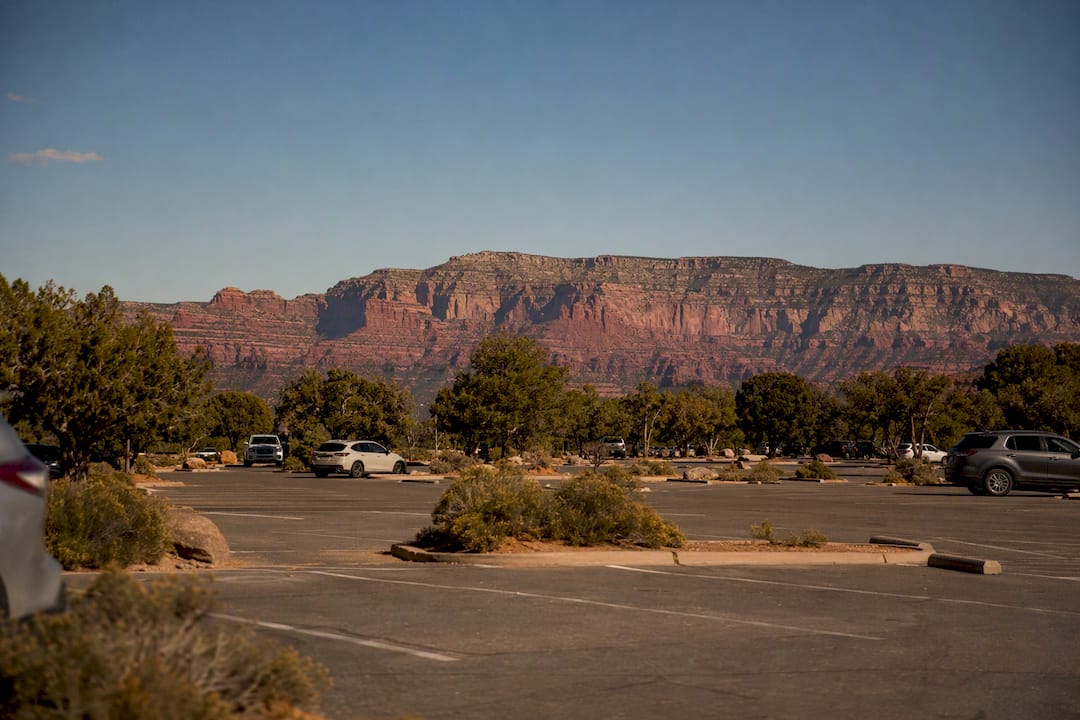
October: Quiet to moderate, and arguably the best month on the calendar. Temperatures cool, fall color hits the rim, and visitor volume drops well below summer peaks. If you can only pick one shoulder month, make it this one.
Mid-October to mid-November: Quiet. The North Rim closes for the season around mid-October, so all North Rim traffic funnels away, and South Rim numbers keep easing.
| Month | Crowd Level | Key Notes |
|---|---|---|
| Dec–Feb | Very quiet | Cold weather, thinner services, easiest parking of the year |
| Mar–Apr | Quiet to moderate | Spring break spikes in late March; wildflowers by April |
| May | Moderate | North Rim reopens mid-month; pre-summer buildup begins |
| Jun–Aug | Peak | Hottest, busiest; parking fills early; inner-canyon heat risk |
| Sep | Moderate | Crowds ease fast once school resumes |
| Oct | Quiet to moderate | Cooler temps, fall color, one of the best all-around picks |
| Nov | Quiet | Fewer crowds, North Rim closed for the season |
Rafting outfitters and mule trips run on their own operating windows tied to river flow and weather, so check availability directly if either is part of your trip.
Which Days and Arrival Times Actually Reduce Crowds?
Weekday choice matters almost as much as month choice. Tuesday through Thursday consistently see lighter traffic than weekends, since day-trippers from Phoenix, Las Vegas, and Flagstaff cluster their visits around Friday through Sunday.
- Arrive before 9 a.m. Parking lots at Mather Point and the visitor center routinely fill by mid-morning in summer, and the South Rim's main pressure point is midday parking and shuttle demand, not the rim itself.
- Chase sunrise at east-facing overlooks. Yaki Point and Desert View catch the first light and pull far fewer people than Mather Point at the same hour.
- If you're arriving mid-day anyway, pick one corridor and commit. Hermit Road or Desert View Drive each offer enough overlooks for a full afternoon without doubling back through the main village.
- Book restaurant reservations and guided tours for off-peak hours. A private tour with a fixed pickup time lets you enter before the general rush builds, rather than hunting for parking at 11 a.m. with everyone else.
Pro Tip: If your trip lands in June, July, or August, treat 9 a.m. as a hard deadline, not a suggestion. By 10 a.m. on a summer weekday, the closest lots are already gone.
Which Holidays Create the Biggest Crowd Spikes?
Certain calendar windows overwhelm the park regardless of what month they fall in.
- Memorial Day weekend: kicks off the summer surge early, with parking and shuttle waits stretching well past normal.
- Fourth of July: lands in the middle of peak season and compounds already-heavy June-July traffic.
- Labor Day weekend: one last spike before the September drop-off begins.
- Spring break (mid-March through mid-April): varies by region since school calendars differ, so check your home district's dates and expect crowding even outside the "official" peak season.
- Special park events, like scheduled programs and anniversaries on the official calendar, can spike single-day attendance without warning.
If your dates are locked to one of these windows, shift arrival to the earliest possible hour, or consider the North Rim when it's open. A private, pre-booked tour also guarantees your group's access and timing regardless of how packed the general lots get that day.
North Rim or South Rim: Which Fits Your Dates?
Rim choice is its own crowd-control lever, and it's an underused one. The North Rim gets roughly a tenth of the visitors the South Rim does, largely because of its remote access and its seasonal closure each winter.
- North Rim: open roughly mid-May through mid-October, offering a genuinely quieter experience with different, arguably more dramatic viewpoints.
- South Rim: open year-round, with the most services, but also the most predictable bottlenecks at Mather Point, the main visitor center, and the Bright Angel trailhead.
- Pick North Rim if: solitude and a slower pace matter more than convenience, and your travel dates fall within its open season.
- Pick South Rim if: you're visiting in winter, want full dining and lodging options, or need a guaranteed comparison of South Rim versus alternate access points before deciding.
What Should You Book, and When?
Turning the calendar into an actual plan comes down to lead time and a short safety checklist.
- Summer trips (June through August): book lodging and guided tours 4 to 6 months out. Rooms near the South Rim sell out well before the season starts.
- Shoulder season (April, May, September, October): 2 to 3 months of lead time is usually enough, though October weekends fill faster than midweek dates.
- Winter (November through March): you can often book just a few weeks ahead, outside of the December holiday stretch.
- Backcountry permits: apply months in advance through the National Park Service if you're hiking overnight below the rim; day-hike rules change less often but are worth confirming before you go.
- Day-of logistics: decide on parking versus shuttle before you arrive. Check current shuttle routes and boarding points so you're not improvising at 8 a.m.
- Heat safety: carry more water than you think you need, and avoid strenuous inner-canyon hiking during peak summer heat. Monsoon storms roll through most July and August afternoons, so build in a buffer for sudden weather.
Pro Tip: A private day tour with door-to-door pickup removes the parking guesswork entirely. Your ground transportation shows up when you need it, regardless of how full the lots are that morning.
How Is This Crowd Calendar Built?
This calendar leans on published visitation patterns rather than live gate counts, so treat it as a strong planning baseline, not a minute-by-minute forecast.
- Monthly visitation trends from the NPS trip planner and park visitation history
- Day-of-week patterns showing weekend and holiday spikes over weekday travel
- School holiday calendars, which drive spring break and summer surges
- Weather and monsoon patterns from the National Weather Service, since storms and snow both reroute crowds
- Known parking and shuttle bottlenecks documented across multiple South Rim planning resources
These patterns describe how crowds usually behave, not how they will behave on your exact date. Weather, road work, and special events can all shift things at the last minute, so cross-check current conditions on the official park site before you finalize plans.
Book a Private Tour That Skips the Guesswork
None of this timing math matters if you'd rather not manage it yourself. A private Grand Canyon day tour from Sedona hands you door-to-door pickup, a fixed schedule built around quieter hours, and a sit-down lunch at El Tovar, so you're not racing the parking lot at 9 a.m. during a June trip. If golden hour is more your speed, the private sunset expedition is timed to hit west-facing viewpoints after the day-tripper wave has already left, with rim-side dinner included. Either way, Grandcanyonjourneys builds the schedule around the crowd calendar so you don't have to.
Editorial Take: Timing Beats Guesswork Every Time
Most "best time to visit" advice treats crowd avoidance as a single decision: pick the right month and you're done. That's incomplete. Month selection matters, but it's the coarsest lever available, and readers who stop there still walk into a packed lot on a July Saturday even after choosing "shoulder season" dates poorly.
What the data actually supports is a layered approach: pick a quieter month if your schedule allows it, then pick a midweek date within that month, then commit to an early arrival. Each layer compounds the last. A Tuesday in October beats a Saturday in October by a wide margin, and both beat any day in July.
The most overlooked lever isn't the calendar at all. It's the North Rim's seasonal window. Most visitors never consider it, yet it draws a fraction of South Rim traffic during the exact months (late spring through early fall) when the South Rim is most crowded. If your dates align with its open season and solitude ranks high on your list, that's the single highest-leverage move on this entire list.
— Chris
Sources
- Grand Canyon National Park Crowd Calendar
- Grand Canyon National Park Crowd Forecast
- National Weather Service forecast for Grand Canyon Village
- Hike Smart | Grand Canyon National Park