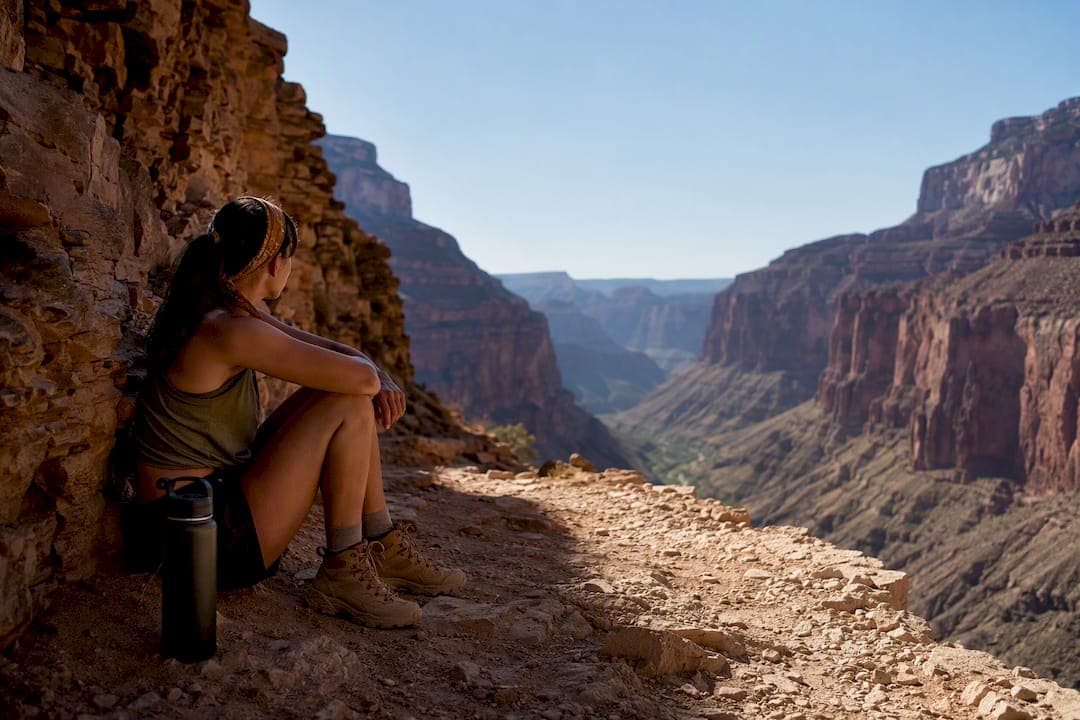
Avoid strenuous inner-canyon hiking between 10 a.m. and 4 p.m. That single rule, backed by the National Park Service's own warnings, prevents most heat emergencies below the rim. The real dangers are dehydration, heat stroke, and sudden flash floods during monsoon season, and Hike Smart guidance plus the sections below cover exactly how to plan around all three.
TL;DR:
- Most heat emergencies occur outside the 10 a.m. to 4 p.m. window, but dehydration and storms remain significant risks at any time.
- Carry enough water for each hour of strenuous activity, and pair it with electrolytes to prevent hyponatremia during hot weather hikes.
- Be able to identify early signs of heat exhaustion and heat stroke, and act immediately to cool and hydrate the affected individual.
- Flash floods and lightning caused by monsoon storms can arrive suddenly and are often more deadly than heat, requiring vigilant weather awareness.
- Guided tours can greatly reduce risks by managing timing, water, and route choices, especially for families, seniors, and inexperienced hikers.
Table of Contents
- Grand Canyon Summer Safety Rules: Timing, Hydration, and Pacing
- How to Spot Heat Exhaustion Before It Becomes Heat Stroke
- Summer Thunderstorms, Lightning, and Flash Flood Risk
- Check Trail and Water Status Before You Go
- Who Should Rethink Summer Hiking Plans
- What to Pack for a Safe Summer Trip
- Why a Guided Tour Lowers Your Risk Profile
- Acclimatizing to Heat and Elevation Before You Hike
- Camping Safely Through Summer Heat and Storms
- Summer Park Rules You Need to Know Before You Go
- Snakes, Scorpions, and Other Summer Wildlife Risks
- Early Morning and Evening Hiking Strategy
- What This Guide Gets Right That Most Advice Misses
- A Lower-Risk Way to See the Canyon This Summer
- Sources
- FAQ
Grand Canyon Summer Safety Rules: Timing, Hydration, and Pacing
Inner-canyon temperatures can climb past 109°F (43°C) in the shade during peak summer afternoons. That's not a typo, and it's why rangers repeat the same warning every year: the canyon floor doesn't cool off the way the rim does. If you're wondering how hot the Grand Canyon gets in July, that number is your answer, and it explains why the Park Service draws a hard line at 10 a.m. to 4 p.m. for any real exertion below the rim.
Hydration is not just "drink more water." Sip steadily rather than gulping, and pair water with electrolyte replacement, since sweating out sodium without replacing it can lead to a dangerous condition called hyponatremia. Drinking excessive plain water without electrolytes can be just as risky as not drinking enough.
Pacing matters more than most hikers assume. The descent always feels easy, which is the trap: you spend energy and water going down, then need double both for the hotter, steeper climb back to the rim.
- Turn around before you're halfway through your water supply, not after.
- Rest in shade every 20 to 30 minutes during active hiking.
- Wear light, breathable clothing, a wide-brim hat, sunglasses, and reapply sunscreen every two hours.
- Stop immediately at the first sign of dizziness, nausea, or headache.
Pro Tip: Carry a bandana you can soak at any water source and drape around your neck. Evaporative cooling on your neck and wrists drops your core temperature faster than dumping water on your head.
How to Spot Heat Exhaustion Before It Becomes Heat Stroke
Heat exhaustion and heat stroke look similar at first, but one is treatable with rest and fluids, and the other requires emergency care. Heat exhaustion brings heavy sweating, weakness, nausea, and a fast pulse. Heat stroke adds confusion, slurred speech, or a sudden stop in sweating. That mental status change is the line the Park Service treats as the emergency threshold.
If you or a hiking partner shows signs of heat stroke, take these steps immediately:
- Stop all activity and move to shade right away.
- Cool the person with water on the skin and fan if possible.
- Offer small sips of water with electrolytes, not large gulps.
- Call 911 if confusion, vomiting, or loss of consciousness appears.
- Keep monitoring until help arrives; do not leave the person alone.
Salty snacks help mild hyponatremia, but confusion or severe vomiting means the situation has moved past what snacks or rest can fix. Rescue response inside the canyon can be delayed by terrain and distance, so prevention and early recognition matter more here than almost anywhere else in the park system.
Summer Thunderstorms, Lightning, and Flash Flood Risk
Monsoon season runs roughly from mid-July through early September, with storms typically forming between 11 a.m. and 6 p.m. A clear sky over your trail doesn't mean you're safe. Flash floods often originate from storms miles upstream, and water can arrive with almost no warning at your location.
- Listen for a roaring or rushing sound in a drainage. That's your cue to move to higher ground immediately, and to face upstream if you're in a creek bed.
- Avoid exposed ridgelines and high points during lightning; seek a hard-roofed building if one is nearby.
- After any storm passes, watch for rockfall, washed-out sections, and slick mud on trails you already crossed.
Flash floods and lightning kill faster than heat does, which is exactly why they deserve equal weight in your planning, not an afterthought after you've already sorted your water supply.
Check Trail and Water Status Before You Go
Corridor trails like Bright Angel and North Kaibab usually have potable water stations, but those spigots can go offline without much notice. Never assume a water source will be running just because it usually is.
Before any hike, run through this checklist:
- Check the park's current water and trail status page the morning of your hike, not the night before.
- Carry a water treatment option (filter or tablets) as backup in case a station is out.
- Estimate one liter of water per hour of strenuous hiking in summer heat, more for exposed sections.
- Plan your turnaround time before you start, and stick to it regardless of how you feel at that point.
- Fill your vehicle's gas tank before heading out; services between the rim and nearby towns are spread thin.
Distances inside the park are deceptively long, and cell service disappears fast once you drop below the rim.
Who Should Rethink Summer Hiking Plans
The Park Service names three groups at elevated risk: children under 8, adults over 65, and anyone with a pre-existing heart, lung, or circulatory condition. If you fall into one of these categories, Hike Smart guidance suggests sticking to rim activities or visiting during cooler months instead of attempting inner-canyon trails in July or August.
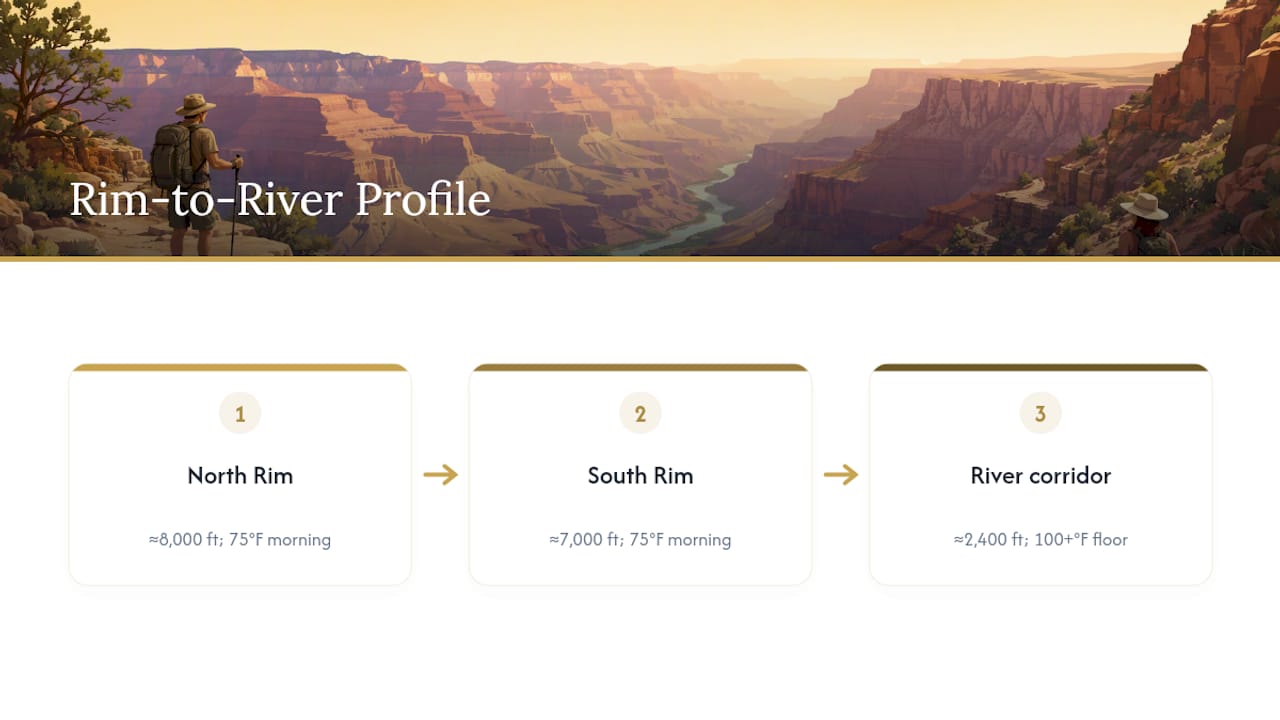
Elevation explains a lot of the confusion visitors feel. The South Rim sits around 7,000 feet, the North Rim near 8,000 feet, and the river corridor drops to roughly 2,400 feet. A pleasant 75 degree morning on the rim can mean 100+ degrees by the time you reach the canyon floor. If your fitness or health status is uncertain, a rim walk or a guided hiking tour is the safer call.
What to Pack for a Safe Summer Trip
Gear decisions made at home determine how your day actually goes once you're on the trail.
- One gallon of water per person per day for any hiking, plus electrolyte powder or tablets.
- Salty, high-energy snacks like pretzels, trail mix, or jerky to offset sweat loss.
- A basic first-aid kit, a bandana for cooling, and a lightweight extra layer for temperature swings near sunset.
- A fully charged phone with offline maps downloaded, plus a written plan left with someone not on the trip.
- A satellite messenger for any remote or off-corridor route, since cell coverage inside the canyon is unreliable at best.
- Sturdy broken-in hiking shoes, not sandals or brand-new boots.
Pro Tip: If you meet a mule train on the trail, step to the uphill side, stand still, stay quiet, and wait until the last animal is 50 feet past before moving again. Wranglers will call out instructions; follow them exactly.
Why a Guided Tour Lowers Your Risk Profile
A guide who runs this terrain regularly already knows the timing windows, the water status, and the escape routes for a sudden storm. That local knowledge removes a lot of the guesswork that gets first-time visitors into trouble. Families with young kids, older travelers, and anyone without recent hiking experience benefit most from that structure. Grand Canyon Journeys builds its private tour itineraries around exactly these constraints, timing outdoor time to avoid the worst heat rather than fighting through it.
Acclimatizing to Heat and Elevation Before You Hike
Your body needs time to adjust to both the heat and the altitude, and most visitors give it neither. If you're arriving from a cooler or lower-elevation climate, plan a rim day before attempting anything strenuous below it. Walk a flat, shaded section of the Rim Trail on day one and pay attention to how your body responds to the thinner air and dry heat.
Heat acclimatization typically takes several days of gradual exposure, which most vacation schedules don't allow for. A practical substitute is easing into activity: start with short, early-morning walks rather than committing to a full rim-to-river hike on your first day in the park. Drink electrolyte fluids throughout the day before you hike, not just during it, since starting a hike already dehydrated from travel is a common and avoidable mistake.
Sleep and food matter here too. Travelers who fly in from sea level or drive up from lower desert towns often underestimate how much the combination of dry air, sun exposure, and elevation drains their energy. Eating a real breakfast and getting a full night's sleep before a strenuous hike does more for heat tolerance than most people expect.
If you have any respiratory or cardiac condition, talk to a doctor before attempting inner-canyon exertion, since altitude and heat both add strain on the heart and lungs independently. Give yourself at least one buffer day in the region before your most demanding hike, and treat that first day as a test of how your body handles the environment rather than a hike to check off your list.
Camping Safely Through Summer Heat and Storms
Camping in the canyon during summer means managing heat at night as much as during the day, since inner-canyon campsites like Bright Angel and Cottonwood stay warm well after sunset. Pitch your tent, when possible, in a spot with afternoon shade rather than full sun exposure, and check the forecast for overnight lows before assuming you'll cool off once the sun sets.
Keep your water supply and treatment gear inside your tent or pack overnight rather than left exposed, since desert wildlife will investigate anything left out. Store food in provided boxes or bear-resistant containers where required, and never leave scented items like sunscreen or toothpaste in your tent.
Monsoon storms don't stop at sunset. If you're camped near a drainage or wash, know your route to higher ground in the dark, and keep a headlamp accessible at all times, not buried in your pack. Stake your tent securely; sudden wind gusts ahead of a storm can hit hard with almost no warning.
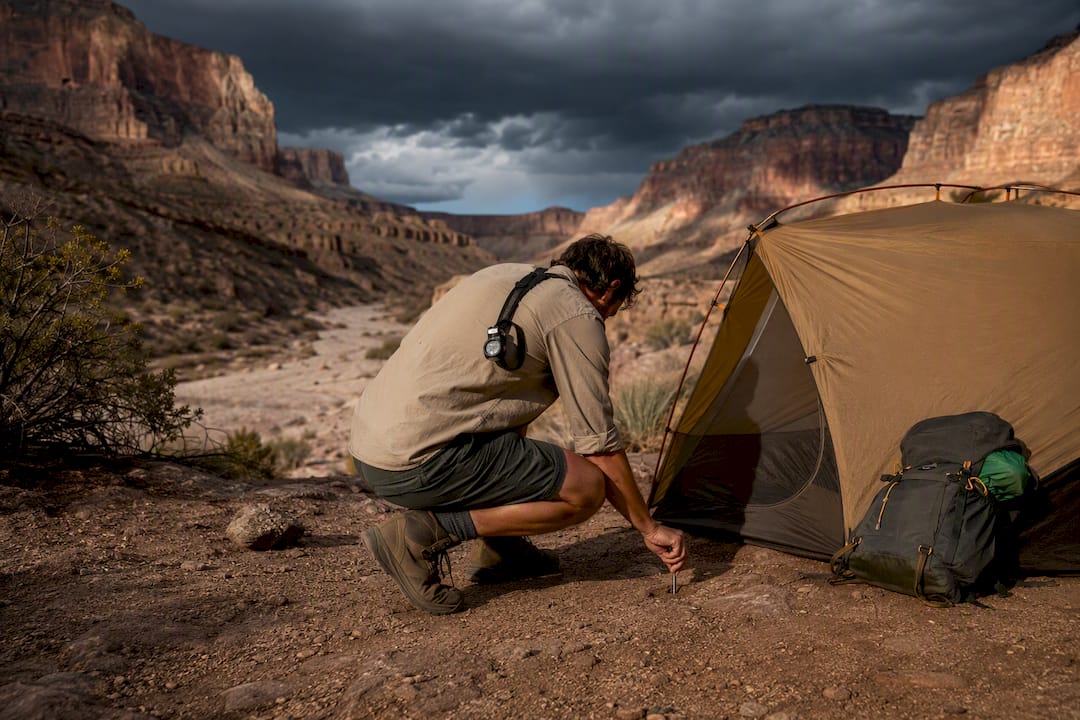
Backcountry camping below the rim requires a permit, and permitted sites are the only legal camping spots inside the canyon corridor. Check current conditions and any temporary closures before you go, since summer storm damage can close sites with little notice.
Summer Park Rules You Need to Know Before You Go
Backcountry permits are required for any overnight stay below the rim, and they're issued for specific sites and dates, not general zones. Day hikers don't need a permit, but some trails carry seasonal advisories or temporary closures tied to storm damage, trail maintenance, or extreme heat warnings, so checking current conditions before you leave home avoids a wasted trip.
Certain roads and trailheads see seasonal access changes in summer, and the Park Service posts active alerts for closures caused by wildfire smoke, flooding, or construction. Always check the park's alert page the same week you're traveling, since conditions can shift quickly during monsoon season.
Rules exist for river-based activities too. Private river trips require permits obtained well in advance, and commercial rafting operates under park concession agreements. If your summer plans include the river corridor, confirm your operator's permit status directly rather than assuming any tour is automatically compliant.
Snakes, Scorpions, and Other Summer Wildlife Risks
Summer heat pushes desert wildlife into the same shaded spots hikers look for, which means your risk of an unwanted encounter goes up exactly when you're seeking relief. Rattlesnakes are most active during the cooler parts of summer days, meaning early morning and evening, the same windows hikers are told to use to avoid heat. Watch where you place your hands and feet on rocky sections, and never reach into crevices or under ledges without looking first.
Scorpions hide under rocks, logs, and loose bark during the heat of the day and become active after dark, which matters most for anyone camping overnight. Shake out shoes and check sleeping bags before use if you're camped below the rim.
Give any snake a wide path and never attempt to move or handle one. Most snake bites happen when people try to interact with the animal rather than simply walking away. If you're camping, keep your campsite tidy, store food properly, and avoid leaving gear on the ground overnight where wildlife might investigate it.
Early Morning and Evening Hiking Strategy
The safest hiking windows in summer are before 8 a.m. and after 6 p.m., which gives you the coolest air temperatures and the lowest sun angle. Starting at first light means you can cover the most demanding, exposed sections of a trail before the canyon fully heats up, then rest through the hottest hours in shade or back at the rim.
If your plan involves a longer route, split it: hike down in the early morning, rest at a shaded, water-accessible spot through midday, and finish the remaining distance in the evening. This isn't just about comfort. It directly reduces your exposure during the exact hours when heat risk is highest.
Evening hikes carry their own consideration: fading light. Carry a headlamp even for a planned daytime hike, in case pacing runs long and you're still on trail as the sun drops. Sunset can come earlier in the canyon than expected due to walls blocking light.
What This Guide Gets Right That Most Advice Misses
Most summer safety content treats heat as the only threat, and that's a mistake. Flash floods and lightning kill quickly and with far less warning than heat exhaustion does, yet they get a fraction of the attention in typical trip-planning articles. The Park Service's own Hike Smart framework treats both threats with equal weight, and that balance is worth taking seriously, rather than fixating only on hydration.
The bigger gap in conventional advice is the assumption that everyone hiking the canyon has the fitness, gear knowledge, and local weather awareness to self-manage these risks. They don't, and pretending otherwise is how people end up needing rescue. For families, older travelers, or anyone without recent desert hiking experience, guided tours can provide structured safety support that removes much of the guesswork from timing, water logistics, and storm awareness.
The rule that matters most isn't complicated: respect the clock, respect the water, and respect the sky. Everything else in this guide supports that one idea.
— Chris
A Lower-Risk Way to See the Canyon This Summer
If reading through flash flood escape routes and heat stroke symptoms has you reconsidering a solo hike, you're not wrong to. Grand Canyon Journeys runs private, guided tours out of Sedona, Flagstaff, and Williams that handle the timing, water logistics, and route decisions for you, so summer heat becomes a planning detail your guide manages instead of a risk you're solving on the trail yourself.
Options range from a private day tour to the South Rim for travelers who want to see the canyon without the exposure of a self-guided hike, to a guided hiking tour below the rim for those who do want to descend but with an experienced guide managing pace and hydration. A private sunset tour is worth considering too, since it puts you on the rim during the cooler evening hours this guide recommends for outdoor activity. Families traveling with kids or seniors, in particular, tend to find a guided structure removes the guesswork around heat exposure entirely. Check available dates and departure points on the full tour list to see what fits your summer trip.
Sources
Check these before you leave: NPS park alerts, the Hike Smart page, and Grand Canyon Conservancy's heat safety tips. For medical support questions on remote trips generally, this overview of expedition medical support is a useful read.
This article is general information, not a substitute for advice from a qualified doctor. Consult a qualified healthcare professional about your own circumstances before acting on anything here.
- Grand Canyon National Park warns hikers to avoid the inner canyon between 10 a.m. and 4 p.m.
FAQ
Is it safe to travel to the Grand Canyon right now?
Yes, the park stays open and safe for visitors who follow heat and weather guidance; risk comes mainly from underestimating summer heat and storm timing, not from general park conditions.
How hot does the Grand Canyon get in July?
Inner-canyon temperatures in July regularly exceed 100°F (38°C) and can reach 109°F (43°C) in the shade, while the South Rim stays noticeably cooler.
Why is 90% of the Grand Canyon restricted?
Most of the park's backcountry requires permits or falls under wilderness management rules to protect fragile terrain and manage visitor safety, not blanket closure; developed rim areas and corridor trails remain fully open to the public.
Why is Arizona 67 closed?
The road to the North Rim closes seasonally each winter due to snow and reopens in mid-May; it typically stays open through the summer season.
How many people fall over the ledge of the Grand Canyon?
Fatal falls happen most years, usually tied to people stepping past guardrails for photos or losing footing near unprotected edges; staying on marked trails and away from rim edges significantly reduces that risk.
What's the safest alternative to hiking solo in summer heat?
A guided private tour from Grand Canyon Journeys manages timing, water, and route decisions for you, making it a practical option for families, seniors, or first-time visitors.