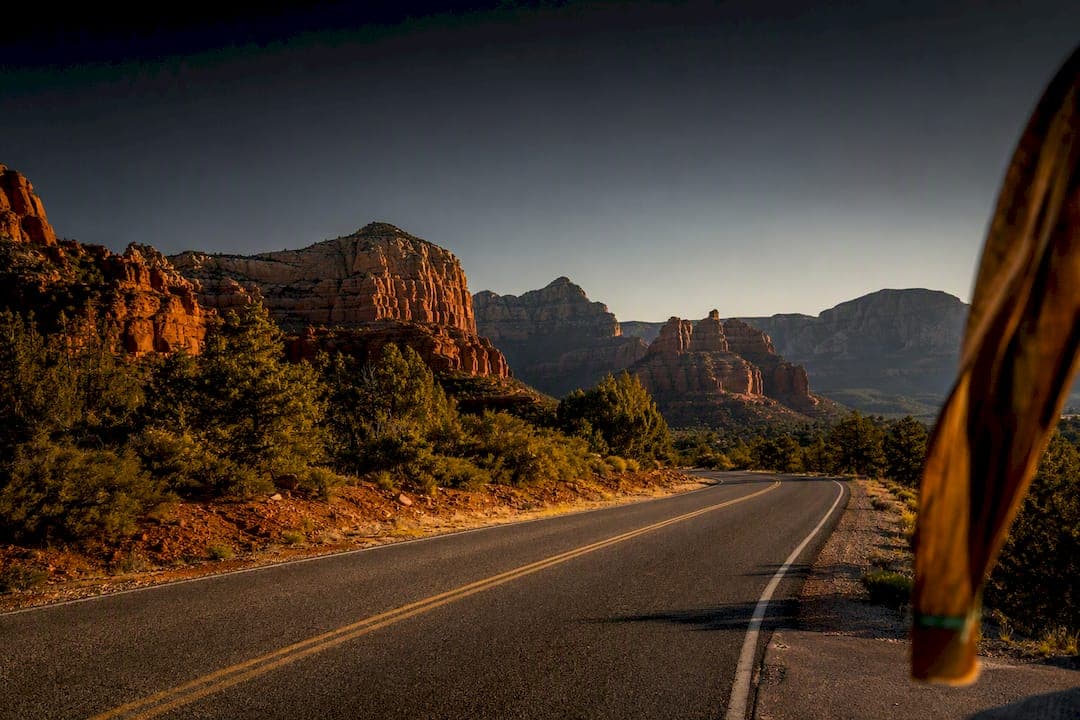
A multi-day trip is ideal for a Phoenix to Sedona to Grand Canyon loop: drive I-17 north to Sedona, take Oak Creek Canyon on 89A up to Flagstaff, then AZ-64 to the South Rim before looping back. Total driving runs several hours spread across the trip, with zero backtracking required. One catch: 89A through Oak Creek Canyon closes during winter storms, so always have I-17 as your fallback.
TL;DR:
- Choose the 5-day loop for most visitors to comfortably explore Sedona, the Grand Canyon, and some side trips without feeling rushed.
- The most scenic driving route between Phoenix and Sedona is via I-17 and SR-179, while Oak Creek Canyon's 89A can be closed during winter storms, requiring backup planning.
- Parking for South Kaibab Trail is shuttle-only, and the canyon's high elevation can cause large temperature swings, so pack accordingly and start hikes early.
- A private guided tour from Sedona can simplify logistics, especially in winter or for first-time visitors, by handling routing and parking issues.
- Booking lodges and campsites months in advance is essential, particularly for in-park accommodations at the South Rim during peak season.
Table of Contents
- Phoenix to Sedona to Grand Canyon Loop: Which Itinerary Fits Your Trip?
- A Detailed Day-by-Day Plan for the 5-Day and 7-Day Loops
- What Are the Best Driving Routes Between Each Stop?
- Where Should You Stay Each Night on the Loop?
- What Fees and Passes Do You Need for the Grand Canyon?
- How Should You Prepare for Elevation and Weather Changes?
- Why Consider a Private Guided Tour Instead of Driving Yourself?
- Where to Eat Along the Phoenix to Sedona to Grand Canyon Route
- What Alternate Routes and Detours Are Worth Adding?
- A Few Honest Tips From Experience
- Ready to Skip the Driving and Just Enjoy the Canyon?
- Official Pages Worth Bookmarking Before You Go
- Sources
Phoenix to Sedona to Grand Canyon Loop: Which Itinerary Fits Your Trip?
Three versions of this loop work well, and the right one depends on how much vacation time you actually have and what you want out of the trip.
The 3-day fast loop covers the essentials without much breathing room. You drive Phoenix to Sedona the first morning (about 2 hours on I-17), spend the afternoon and evening exploring red rocks, then push to the Grand Canyon South Rim the next day via Flagstaff. Day three is the return drive back to Phoenix. This works if you're squeezing the trip around a work week, but you'll feel rushed at every stop. It's best for travelers who've already seen Sedona or the Canyon before and just want a refresher.
The 5-day balanced loop is what most families and first-time visitors should book. It gives you two nights in the Sedona area, one night in Flagstaff or right at the South Rim, and a full day to actually hike and sightseer at the Canyon before heading home. Nobody is white-knuckling through switchbacks in the dark trying to make a hotel checkout.
The 7-day relaxed loop adds side trips that the shorter versions skip. Think Jerome's old mining-town streets, a detour to Page for Horseshoe Bend and Antelope Canyon, or an extra half-day at Slide Rock State Park in Oak Creek Canyon. This version suits photographers who need golden-hour flexibility and hikers who want to actually get below the rim rather than just look at it from a viewpoint.
Here's how the daily structure breaks down:
- 3-day loop: Day 1, Phoenix to Sedona (2 hours, 116 miles); Day 2, Sedona to Grand Canyon South Rim via Flagstaff (2.5 hours, 130 miles), full afternoon at the rim; Day 3, Grand Canyon to Phoenix direct (3.5 hours, 230 miles) or back through Sedona.
- 5-day loop: Day 1, Phoenix to Sedona; Day 2, Sedona exploring and hiking; Day 3, Sedona to Grand Canyon via Flagstaff, afternoon at the South Rim; Day 4, full day at the Canyon; Day 5, return to Phoenix.
- 7-day loop: Same as the 5-day version but insert a Jerome detour on Day 2 and a Page/Horseshoe Bend side trip (roughly 2.5 hours from the South Rim) between Days 4 and 5.
A few things to weigh before locking in dates:
- Families with young kids do better with the 5-day pace. Toddlers do not care about your itinerary.
- Hikers chasing Devil's Bridge or South Kaibab Trail need at least one full unrushed day in each location.
- The Page detour adds roughly 5 hours of round-trip driving, so only bolt it onto the 7-day version.
- Retirees and photographers benefit most from the 7-day loop's flexible timing around sunrise and sunset light.
If your dates are fixed and you're not sure which version fits, a private Grand Canyon tour from Sedona removes the guesswork entirely. A local guide already knows which day works best for South Kaibab versus Bright Angel and adjusts on the fly.
A Detailed Day-by-Day Plan for the 5-Day and 7-Day Loops
Here's the 5-day version stretched out hour by hour, because "drive to Sedona" doesn't tell you when to leave or where to eat lunch.
Day 1: Phoenix to Sedona. Leave by 9 a.m. to beat traffic on I-17. You'll hit Sedona by 11, in time for lunch in the Village of Oak Creek or uptown. Spend the afternoon at Cathedral Rock or Airport Mesa for the view, then eat dinner uptown and catch sunset from a west-facing overlook.
Day 2: Sedona, full day. Morning hike to Devil's Bridge if you're comfortable with a moderate 4-mile round trip and some rock scrambling near the top. Alternative for less mobile travelers: Bell Rock Pathway, which is flat and still delivers red-rock views. Afternoon is for shopping in Tlaquepaque or driving the Red Rock Scenic Byway (SR-179) slowly, with stops at pullouts.
Day 3: Sedona to Grand Canyon. Leave by 8 a.m. and take 89A through Oak Creek Canyon if it's open. Stop at Slide Rock State Park for 30 minutes, then continue to Flagstaff for lunch. From Flagstaff, AZ-64 takes you to the South Rim in about 90 minutes. Arrive by mid-afternoon, check into your lodge or campsite, and catch sunset at Mather Point or Hopi Point.
Day 4: Grand Canyon, full day. Early start for South Kaibab Trail to Ooh Aah Point, a 1.8-mile round trip with real elevation drop and equally real views. Ride the shuttle to the trailhead rather than driving. Afternoon is for the Rim Trail on foot or by shuttle, hitting multiple viewpoints without a car. Dinner at one of the South Rim's lodge restaurants.
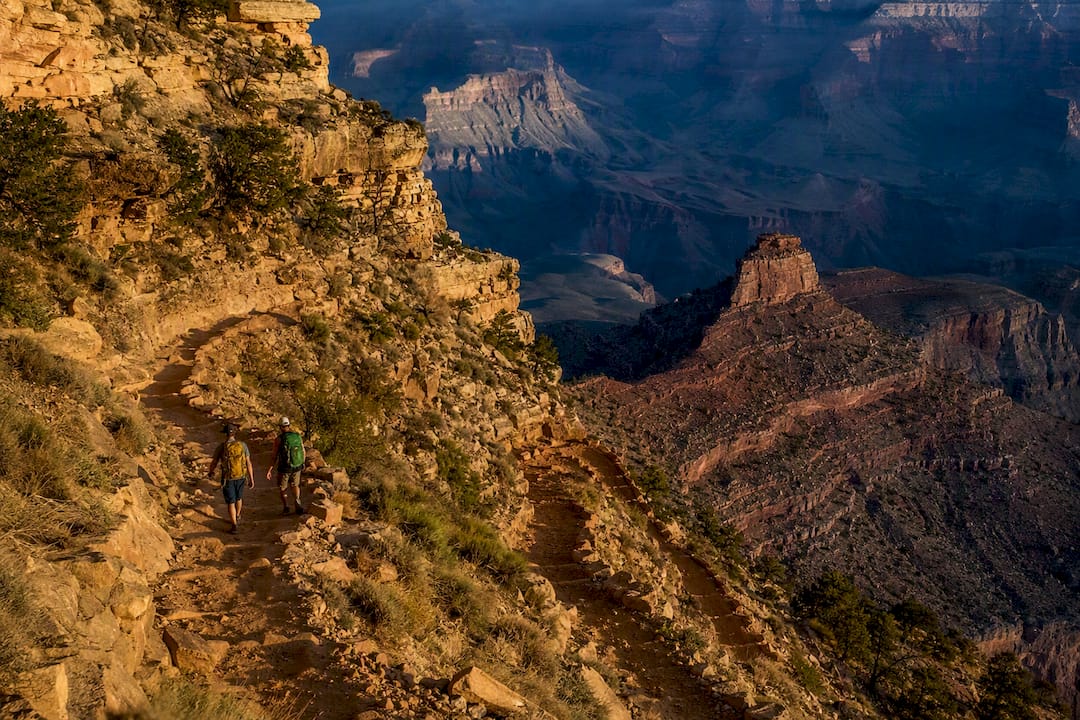
Day 5: Return to Phoenix. Direct drive is about 3.5 to 4 hours via Williams and I-17. Leave by mid-morning to arrive home for dinner.
The 7-day version follows the same skeleton but inserts two changes. On Day 2, detour through Jerome before returning to Sedona for the night, adding about 90 minutes of driving but delivering a genuinely different, old-mining-town vibe. Between Days 4 and 5, add a Page overnight for Horseshoe Bend at sunrise and Antelope Canyon by reservation, then loop back through Flagstaff on the return.
Pace adjustments: If you're moving slower than planned, cut the Jerome detour first, not the Grand Canyon days. The Canyon rewards unhurried time far more than a second red-rock town does.
Pro Tip: Arrive at South Kaibab Trailhead parking (or catch the shuttle) before 7:30 a.m. in spring and fall. By 9 a.m., the lot fills and you'll be stuck riding the shuttle anyway, so you might as well plan for it from the start.
What Are the Best Driving Routes Between Each Stop?
The Phoenix to Sedona route runs about 116 miles via I-17 north to exit 298, then SR-179 south into Sedona, which takes roughly 2 hours without stops. SR-179 is itself called the Red Rock Scenic Byway, and it's worth slowing down for even though it adds a few minutes.
Sedona to Flagstaff has two options. The scenic route follows 89A north through Oak Creek Canyon, climbing nearly 2,000 feet through switchbacks with Slide Rock and several forest overlooks along the way, covering about 27 miles in 45 minutes to an hour with stops. The alternate, when 89A is closed or you're pressed for time, runs I-17 north to Flagstaff, about 50 miles and roughly an hour.
Flagstaff to the Grand Canyon South Rim is a drive on AZ-64 with moderate distance and time; plan for roughly an hour and a half depending on conditions. Grand Canyon Airport and Tusayan sit just before the South Entrance, with the last reliable fuel stop in that stretch.
A few practical notes for the road:
- Fuel up in Flagstaff or Williams before heading to the South Rim. Gas inside Tusayan exists but runs pricier and less reliable during peak season.
- Cell signal drops out through much of Oak Creek Canyon and stretches of AZ-64, so download offline maps beforehand.
- Check Az511 before departure for real-time closures, especially on 89A during winter months.
- Winter driving on 89A can mean snow and ice on the switchbacks; carry chains or an all-wheel-drive vehicle if traveling December through February.
89A through Oak Creek Canyon closes several times most winters due to snow, ice, or rockfall, and it's one of the most scenic drives in Arizona but also one of the least predictable in cold months. Build a buffer day into any winter itinerary rather than assuming the canyon road will be open on your exact date.
Where Should You Stay Each Night on the Loop?
Sedona splits into two lodging zones worth knowing apart. West Sedona has more mid-range hotels and easier parking, while the Village of Oak Creek sits closer to the Red Rock Scenic Byway and puts you nearer trailheads like Bell Rock and Courthouse Butte.
Flagstaff works best split by which direction you're headed next. Downtown Flagstaff has walkable dining and historic charm but adds 10 to 15 minutes to your South Rim departure. Staying on the east side, closer to I-40 and AZ-64, shaves that time off if you're leaving early for sunrise at the Canyon.
At the South Rim itself, NPS lists several in-park lodges that book out months ahead for peak season, so reserve as early as you have dates locked. Mather Campground offers tent and RV sites inside the park for travelers who'd rather camp, though it also fills fast in summer. Outside the park, Tusayan has additional hotel options within a short drive of the South Entrance.
For campers heading through Oak Creek Canyon, Pine Flat Campground and Manzanita Campground are both Coconino National Forest sites with creekside settings, though neither takes walk-ins during busy months.
- Book South Rim lodges 3 to 6 months ahead for spring and summer travel.
- Reserve Coconino NF campgrounds through Recreation.gov well before your trip.
- Tusayan hotels offer a practical overflow option when in-park lodging is sold out.
What Fees and Passes Do You Need for the Grand Canyon?
Grand Canyon National Park charges a per-vehicle entrance fee good for seven days, and an America the Beautiful annual pass covers entry to any federal recreation site nationwide if you're planning multiple park visits this year. Check current fee amounts on the NPS website before you go, since they're subject to periodic adjustment.
Some of the most popular viewpoints require the free park shuttle rather than personal vehicles. South Kaibab Trailhead has no public parking at all; you reach it exclusively by shuttle from the visitor center area. Hermit Road closes to private cars for most of the year too, running shuttle-only.
Roughly 6 million people visit Grand Canyon National Park annually, which is exactly why the shuttle system exists in the first place, and why summer parking lots fill before 8 a.m.
- Buy your park pass online in advance where available to skip entrance-gate lines.
- Check the shuttle map at the visitor center on arrival day.
- Confirm lodging or campground reservations through NPS-linked booking systems, not third-party resellers.
- Watch NPS alerts for seasonal road or facility closures before you finalize your itinerary.
How Should You Prepare for Elevation and Weather Changes?
Phoenix sits around 1,100 feet, while the South Rim climbs to roughly 7,000 feet, and that gain changes everything about what you should pack. Elevation shifts across this route can produce temperature swings of 20 to 30°F between Phoenix and the Canyon rim, even on the same calendar day.
- Pack layers: a t-shirt-and-shorts day in Phoenix can mean a jacket-and-hat evening at the rim.
- Bring at least one gallon of water per person per day if you're hiking below the rim.
- Sun protection matters at altitude even in cooler weather; UV exposure increases with elevation.
- Carry a basic car emergency kit (blanket, flashlight, extra water) for winter mountain driving.
Pro Tip: Never plan a below-the-rim hike, like South Kaibab or Bright Angel, to start after 10 a.m. in summer. The Canyon's interior traps heat, and rangers respond to preventable heat emergencies on those trails every year.
Why Consider a Private Guided Tour Instead of Driving Yourself?
A DIY loop rewards travelers who love planning, but it punishes anyone short on time or unfamiliar with mountain driving. A private, door-to-door tour solves both problems by handling routing, timing, and parking while you focus on the scenery.
- First-time visitors skip the guesswork on which viewpoints and trails actually deliver, versus which ones are skippable.
- Travelers with only a day or two benefit most, since a guide compresses the highlights into hours instead of days of trial and error.
- Anyone uneasy about winter mountain roads or 89A closures avoids the entire decision by letting someone else drive.
- Luxury travelers who'd rather sip coffee in the back seat than watch for rockfall signs get exactly that.
Grand Canyon tours from Sedona and guided hiking options for travelers who want to get below the rim without solo-navigating the trail system are both worth a look before you commit to a fully self-driven plan.
Where to Eat Along the Phoenix to Sedona to Grand Canyon Route
Sedona's dining scene punches above its size, with uptown restaurants offering patio seating and red-rock views alongside your meal. The Village of Oak Creek area tends to run more casual and less crowded during peak lunch hours, which matters if you're trying to eat and get back on the trail.
Flagstaff, being a college town, has a wider spread: brewpubs, diners, and a handful of higher-end spots downtown within walking distance of each other. It's a good place to stock up on groceries or trail snacks too, since options thin out fast once you're past Williams heading toward the Canyon.
At the South Rim itself, dining is concentrated in the lodges, and reservations at the sit-down options fill up during dinner hours in peak season. Tusayan, just outside the South Entrance, has additional restaurants that see less of a wait. Grab breakfast before you leave Flagstaff or Williams if you're aiming for an early trailhead start. Vending and small markets exist near the visitor center, but they're not a substitute for a real meal if you're hiking that day.
What Alternate Routes and Detours Are Worth Adding?
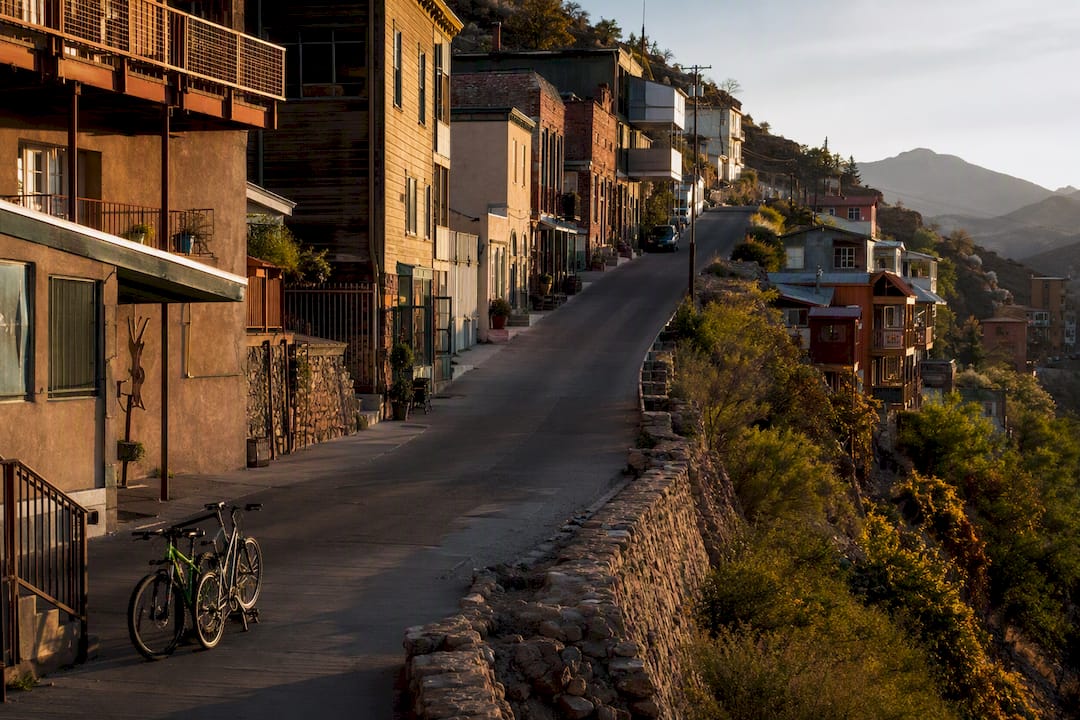
The most rewarding detour on this loop runs through Jerome, a former copper-mining town perched on a mountainside about 30 minutes from Sedona via 89A south. It adds roughly an hour of driving round trip but delivers a completely different landscape and a walkable historic downtown.
Travelers with an extra day can extend north to Page for Horseshoe Bend and Antelope Canyon, both requiring separate entry reservations in Antelope Canyon's case. This adds around 5 hours of driving round trip from the South Rim, so it only makes sense in the 7-day version of the loop.
For those interested in ancient sites, Montezuma Castle National Monument sits just off I-17 between Phoenix and Sedona, making for an easy 30 minute stop that breaks up the drive without adding real mileage. Near Flagstaff, Sunset Crater Volcano and Wupatki National Monument offer a volcanic landscape detour, while Walnut Canyon National Monument adds cliff-dwelling history within 15 minutes of downtown Flagstaff.
If 89A is closed, the I-17 alternate through Flagstaff isn't just a fallback, it's also the faster route when you're tight on time and willing to trade scenery for speed.
A Few Honest Tips From Experience
Two things trip up first-timers on this loop: underestimating South Kaibab parking (there isn't any, shuttle only) and assuming 89A will be open in winter without checking first. I once watched a family reroute through three highways in one afternoon because they hadn't planned for a canyon closure. Build the buffer in before you leave, not after.
— Chris
Ready to Skip the Driving and Just Enjoy the Canyon?
If you'd rather hand off the routing, parking, and timing decisions to someone who does this every week, a private tour is the more relaxed way to see the Grand Canyon from Sedona. Grand Canyon Journeys runs door-to-door pickup, so instead of white-knuckling switchbacks on 89A or hunting for South Kaibab shuttle stops, you're in a comfortable vehicle with a guide who already knows which viewpoints are worth the walk today.
This fits best for first-time visitors, families juggling nap schedules, or anyone with just a day or two who wants the highlights without the logistics homework. Travelers connecting from further afield sometimes pair regional flights, like the Bluebird private aviation route from El Paso to Phoenix, with a guided Canyon day rather than renting a car for the whole loop.
Start by browsing private Grand Canyon day tours from Sedona or build your own custom route with the Grand Canyon travel planner to lock in dates and see what a guided version of this loop looks like for your trip.
Official Pages Worth Bookmarking Before You Go
- Grand Canyon shuttle routes: confirm which viewpoints require a shuttle.
- Grand Canyon lodging: check in-park room and campsite availability.
- Oak Creek Canyon recreation info: verify 89A status before departure.
- Lowell Observatory: plan a Flagstaff evening stop around show times.
Sources
- Grand Canyon National Park — Shuttle buses
- Grand Canyon National Park — Lodging
- Coconino National Forest — Oak Creek Canyon Recreation
- Lowell Observatory