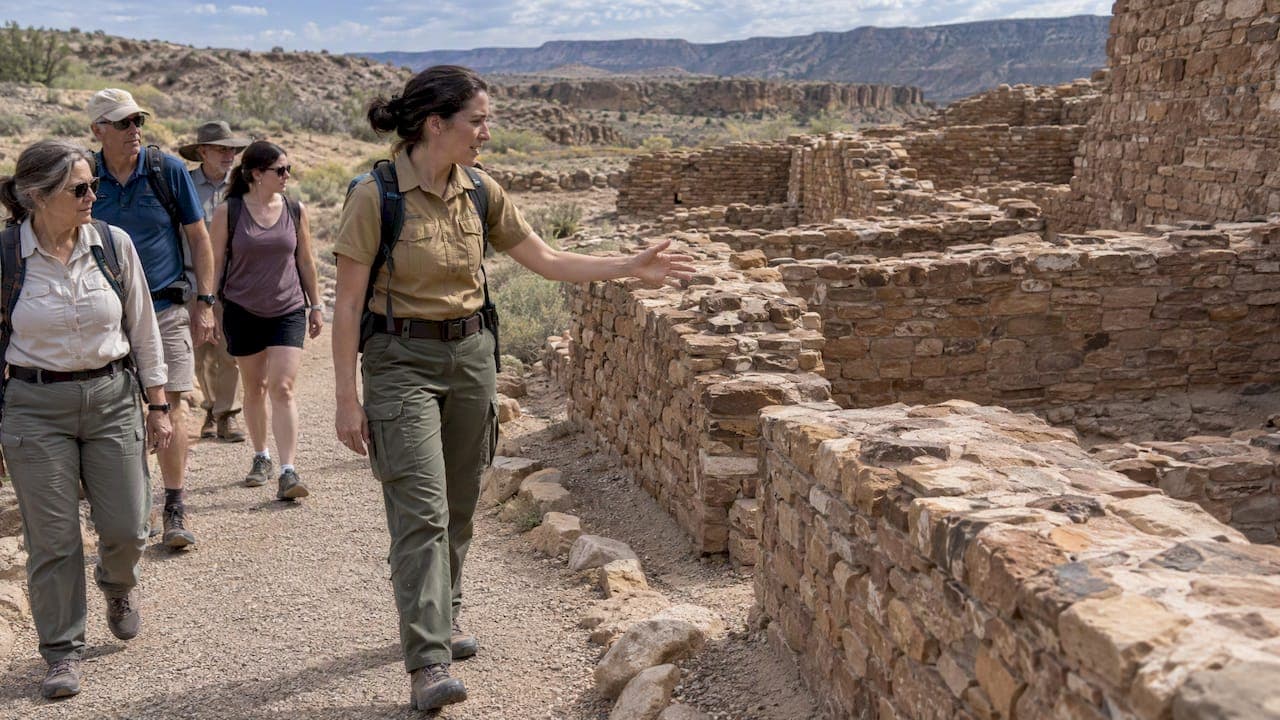
Wupatki, Walnut Canyon, Navajo National Monument (Betatakin and Keet Seel), Tuzigoot, Montezuma Castle, Montezuma's Well, Casa Grande, Tonto and Tusayan Pueblo are the Puebloan and Ancestral Puebloan ruins worth building a trip around. Access varies: some are self-guided, others are ranger-led only with limited capacity. Before you go, confirm current hours and tour availability on each site's official National Park Service page.
TL;DR:
- Betatakin tours cap attendance at 25 and Keet Seel at 20; both require registration, seasonal scheduling, and authorized National Park Service staff.
- Start Walnut Canyon’s Island Trail early because it closes before the monument, which operates daily from 9:00 a.m. to 5:00 p.m.; admission fees apply.
- Pair Wupatki and Walnut Canyon during a Flagstaff outing, then visit Tuzigoot and Montezuma Castle with Montezuma’s Well in the Verde Valley.
- Navajo National Monument observes daylight saving time and may be an hour ahead of the rest of Arizona, so confirm local time before tours.
- Many ruins require steep or primitive hikes; assess your fitness, carry water and sun protection, wear sturdy shoes, and bring layers for desert temperature changes.
Table of Contents
- Which Puebloan ruins should you see in Arizona?
- What access rules and tour limits apply?
- How do you plan the trip?
- How should you treat these places?
- When does a private guided visit make sense?
- Which of our tours include ruins?
- FAQ
- Sources
Which Puebloan ruins should you see in Arizona?
Here is how the major sites break down, with what you can expect at each.
- Wupatki National Monument: Multiroom pueblos such as Wupatki and Wukoki are interpreted as part of a trade and cultural center from the early 1100s. Short trails and a visitor center make this an easy first stop north of Flagstaff. Our own Wupatki page adds local background.
- Walnut Canyon National Monument: Cliff dwellings tucked into canyon walls, about 10 miles from Flagstaff. The Island Trail takes you right past the rooms, while the Rim Trail offers overlooks. If you want trail detail first, see our Walnut Canyon Island Trail guide.
- Navajo National Monument: Home to Betatakin and Keet Seel, two of the most dramatic cliff dwellings in the state. Both are reached only on ranger-led hikes, and Keet Seel is a demanding overnight trip.
- Tuzigoot National Monument: A hilltop pueblo with roughly 110 rooms and a short loop trail with views over the Verde Valley.
- Montezuma Castle and Montezuma's Well: A multistory cliff dwelling set in a limestone alcove, plus a nearby limestone sinkhole with a constant water source that supported ancient farmers.
- Casa Grande Ruins National Monument: A large adobe structure in the desert near Phoenix, protected under a modern shade canopy.
- Tonto National Monument: Cliff dwellings above Roosevelt Lake that reward a climb with close-up views of the rooms.
- Tusayan Pueblo: A small village near Desert View in Grand Canyon National Park. The self-guiding trail is only 0.1 mile and outlines the rooms and a circular kiva.
If you are short on time, pair Wupatki and Walnut Canyon on a Flagstaff outing, then save the Verde Valley sites for another day.
What access rules and tour limits apply?
Access is where trips succeed or fail, so check these details early.
- Betatakin and Keet Seel: Betatakin tours are capped at 25 people and Keet Seel tours at 20, and hiking to either site without authorized NPS staff is prohibited. Registration is required, and the hikes run seasonally.
- Walnut Canyon: The monument is open daily from 9:00 a.m. to 5:00 p.m. The Island Trail closes first, so start it early. An admission fee applies.
- Navajo National Monument itself: It is a non-fee park, and its visitor center is open daily from 9:00 a.m. to 5:00 p.m. Fees at other sites differ, so verify each one.
- Closures and limits: The Superintendent's Compendium records visitation limits and notes that some sensitive sites are closed to public use.
- Time zones: Navajo National Monument observes Daylight Saving Time, which can put it an hour ahead of the rest of Arizona. Confirm the local time before a scheduled tour.
Betatakin: 25 per tour. Keet Seel: 20 per tour. Both tours are strictly capped, so spots disappear and you should plan ahead.
How do you plan the trip?
- Match the hike to your fitness. Rangers warn that many ruins sit in remote canyons with steep or primitive trails. Be honest about stairs, altitude change and distance.
- Pack for the desert. Carry water for short hikes, plus sun protection, sturdy shoes and layers for temperature swings.
- Go early. Mornings are cooler and the light on the stone is better. Check seasonal openings before you commit to a date.
- Confirm tour availability a few days out. Call the visitor center, since tours can fill or be canceled.
- Keep a backup site. If Navajo National Monument tours are full, Wupatki, Walnut Canyon or Tuzigoot make strong alternatives.
Pro Tip: Build your route around the ranger-led tour times first, then fill the rest of the day with self-guided sites.
How should you treat these places?
These ruins are not just scenery. They are ancestral homelands for contemporary Puebloan peoples, including the Hopi, and many remain sacred, living places. Walnut Canyon alone preserves more than 500 archaeological sites along Walnut Creek.
- Stay on marked trails and never touch or climb on walls.
- Leave every artifact where you find it; removal is illegal and destructive.
- Remember that ranger-led tours exist to protect fragile archaeology as well as visitors.
- Buy arts and crafts from sanctioned markets and follow posted signs.
For more background, read our page on Arizona Native American culture.
When does a private guided visit make sense?
We are a locally owned Northern Arizona tour operator, and some of our itineraries include ancient ruins. A private guide helps when your time is limited, when you need an easier pace, or when you want real interpretation at a site where access is tight. I think the best ruins visit is a slow one, with someone who can explain what you are looking at and why the rules exist. Our Grand Canyon Travel Planner is a good place to start shaping that kind of day.
— Chris
Which of our tours include ruins?
If you want a guided visit without the logistics, we offer tours built around these sites:
- Grand Canyon & Ancient Ruins: from $339 per person, a private tour combining the canyon with ancient ruins.
- Four National Monuments: from $309 per person.
Use our Grand Canyon Travel Planner for custom itineraries and departures from Sedona, Flagstaff or Williams, then contact us to tailor a private tour with respectful ruins access.
FAQ
Where are the Pueblo ruins in Arizona?
Most major sites sit in northern and central Arizona, including Wupatki and Walnut Canyon near Flagstaff, Tuzigoot and Montezuma Castle in the Verde Valley, and Navajo National Monument on the Navajo Nation. Casa Grande and Tonto lie farther south, and Tusayan Pueblo is at the Grand Canyon's Desert View.
Can I visit a Native American reservation in Arizona?
Yes, many areas are open to visitors, but rules vary by nation. Navajo National Monument sits within the Navajo Nation, and Navajo Nation laws are enforced alongside NPS regulations. Check posted signs and visitor center guidance.
Are Pueblo Indians Navajo?
No. Puebloan peoples such as the Hopi are distinct from the Navajo, and visitors also confuse the Ancestral Puebloan, Sinagua and Salado cultures. These ruins are best understood as the ancestral homelands of present-day Puebloan communities.
Is Montezuma Castle worth it?
Yes, especially if you are already in the Verde Valley. The multistory cliff dwelling is well preserved and easy to see, and it pairs naturally with Montezuma's Well and Tuzigoot on the same trip.
Sources
- Plan Your Visit - Walnut Canyon National Monument (U.S. National Park Service)
- Guided Tours - Navajo National Monument (U.S. National Park Service)
- Betatakin Guided Tour (U.S. National Park Service)
- Superintendent's Compendium - Navajo National Monument (U.S. National Park Service)
- Wupatki National Monument • Arizona