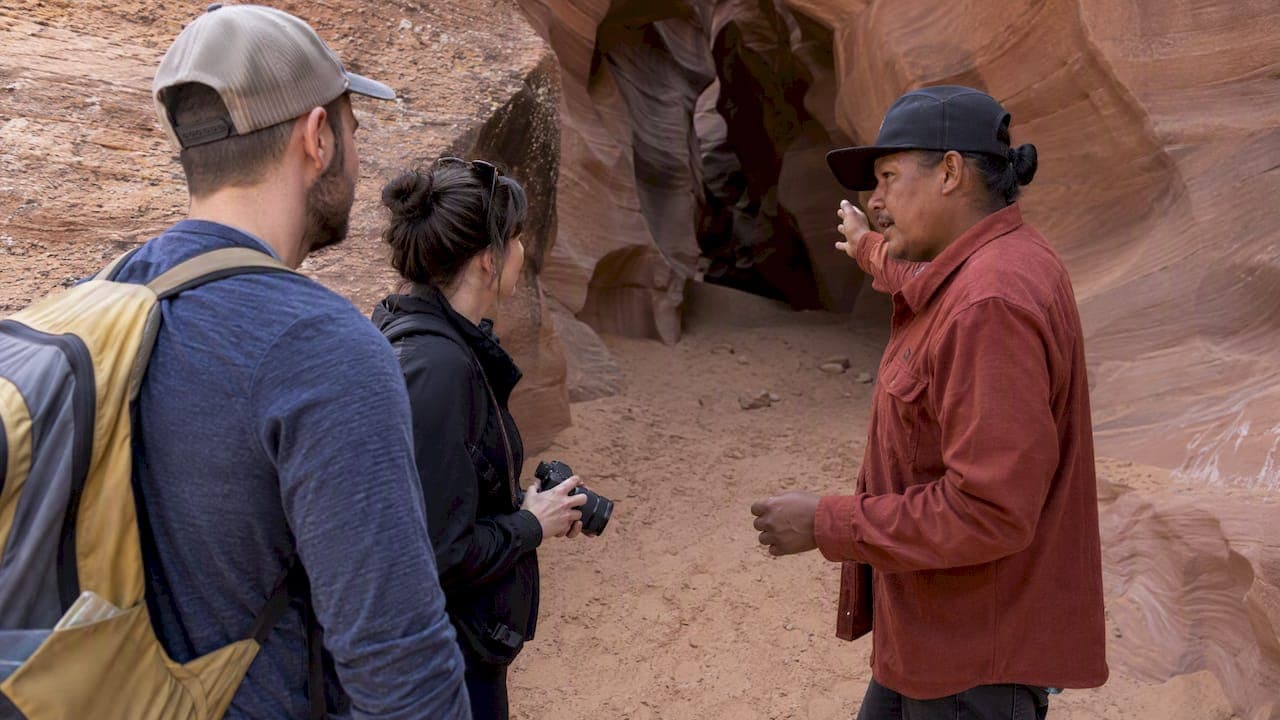
Navajo-guided tours are mandatory to enter Antelope Canyon and most nearby slot canyons on Navajo Nation land, and skipping that requirement is not an option. You must book an authorized guide in advance, pay the separate Navajo entry fee, and follow strict prohibitions on gear and conduct, or risk being turned away or removed from the site.
TL;DR:
- Only authorized Navajo-guided tours are permitted, requiring advance booking, payment of a $15 per person entry fee, and strict adherence to conduct rules.
- Most standard tours allow smartphones and handheld cameras but ban tripods, drones, selfie sticks, and large backpacks, unless specified otherwise.
- Flash flood warnings are the primary safety concern, making immediate evacuation essential if weather conditions change during the tour.
- Violations such as unauthorized entry or damaging tribal property can lead to removal from Navajo land, enforced under tribal law.
- Booking a private guide simplifies logistics, guarantees smaller groups, and ensures adherence to Navajo rules, with a focus on respectful cultural engagement.
Table of Contents
- What you need to know before you go: a rules checklist
- Which cameras and gear are actually allowed inside the canyon?
- Why flash floods shape every safety rule you'll follow
- How to book your Navajo-guided tour and handle the entry fee
- How to show respect once you're inside Navajo land
- What happens if you break the rules
- Why booking a private guide makes this easier
- Rules exist to protect both the place and the people who call it home
- Plan your Antelope Canyon visit with a private guide
- FAQ
- Sources
What you need to know before you go: a rules checklist
Before you pack a single lens, lock in the basics. Antelope Canyon and the slot canyons around Lake Powell sit on Navajo Nation land, and the Navajo Nation Parks & Recreation guidance is clear: independent access is prohibited, and a licensed Navajo guide must lead every visit.
- Book an authorized Navajo-guided tour well before your trip date, since slots fill fast in peak season.
- Pay the Navajo entry fee per person, per entry. This charge is separate from whatever your tour operator bills you.
- Leave tripods, monopods, selfie sticks, drones, firearms, and large backpacks at home unless your operator explicitly clears a small, clear bag.
- Stay with your group, never touch or climb on the sandstone formations, and ask permission before photographing anyone else in your group.
Treat this list as your packing and behavior checklist the night before you head to Page, Arizona. Every item on it exists because a visitor somewhere broke the rule first.
Which cameras and gear are actually allowed inside the canyon?
Most tours welcome smartphones, handheld point-and-shoot cameras, and handheld mirrorless or DSLR bodies. What gets left at the entrance is anything that could slow down a group moving through a narrow, crowded passage or snag on sandstone: tripods, monopods, selfie sticks, drones, and externally mounted action cameras like GoPros are banned on most standard tours, per Navajo Nation Parks rules.
- Tripods and monopods: prohibited on general tours, permitted only on select, dedicated photography tours where the operator says so.
- Drones: banned nationwide on Navajo land, no exceptions for personal or commercial use.
- Large bags and backpacks: generally discouraged; a few operators allow a small clear bag, so confirm first.
Rules vary by operator, so check your specific confirmation email rather than assuming a past visit's policy still applies.
Pro Tip: Bump your ISO and shoot wide, since the canyon's narrow light shafts and deep shadows punish slow shutter speeds more than grain ever will.

For readers chasing sharper images, bracket your exposures and shoot in RAW so you can recover highlight and shadow detail later, and ask your guide for a brief pause at the canyon's signature light beams rather than lagging behind the group to compose a shot. A red-rock photography guide from Moab covers similar golden-hour techniques that translate well to Arizona's sandstone canyons.
Why flash floods shape every safety rule you'll follow
Flash flooding is the real danger inside a slot canyon, not just a line in a waiver. Water from a storm miles away can funnel into Antelope Canyon with little warning, which is why operators watch upstream weather and radar and will cancel or delay tours as a precaution rather than take the risk.
- Follow your guide's evacuation instructions immediately if conditions change; don't pause to grab a photo or finish a thought.
- Never attempt to self-rescue or climb out on your own during a weather event.
- If your tour is canceled for safety, most operators reschedule or refund according to their own posted terms, so confirm that policy when you book.
How to book your Navajo-guided tour and handle the entry fee
Getting the logistics right matters as much as packing the right gear.
- Start with the official list of authorized tour operators from Navajo Nation Parks & Recreation rather than booking through an unverified third party.
- Book weeks ahead during the busy March through October stretch, since popular slots sell out; a private Navajo guide generally offers more scheduling flexibility than a fixed group departure.
- Budget for the Navajo entry fee of $15 per person, per entry, collected separately from whatever your tour operator charges.
- Know that a National Park Pass does not cover Navajo Tribal Parks; this fee is tribal, not federal.
- Confirm exactly what your operator includes: entry fee collection, transportation to the trailhead, and check-in procedures, so there are no surprises on arrival.
Our guide to booking Page-area slot canyons walks through booking windows and private-guide options in more depth if you want a second resource before confirming a date.
How to show respect once you're inside Navajo land
Antelope Canyon carries deep cultural significance for the Navajo people, and a good visit is a quiet, attentive one, not just a checklist completed.
- Listen to your guide's stories about the canyon's history and meaning rather than treating the walk as a photo sprint.
- Ask before photographing your guide or other visitors, and skip staged poses that block the path for others.
- Dress modestly and keep music or loud conversation to a minimum; this is tribal land, not a theme park.
- Remember that your entry fee and tour cost support the local Navajo economy and the families who work as guides.
Pro Tip: Ask your guide one question about the canyon's name or formation history; most are happy to share context that never makes it into a brochure.
Our deeper piece on Navajo-guided slot canyon tours covers more of this etiquette if you want the fuller picture before you arrive.
What happens if you break the rules
Navajo Nation enforces these rules under its own tribal code, and the consequences are real. The Navajo Rules for Exclusion Proceedings lay out grounds for removing nonmembers from the Nation, including unauthorized entry and damaging tribal property. Penalties range from being escorted out of the canyon on the spot to temporary or permanent exclusion from Navajo Nation land. If a guide or ranger flags a violation, cooperate immediately and follow their instructions; arguing in the moment only escalates a situation that official channels are built to resolve.
Why booking a private guide makes this easier
A seasoned private operator handles the paperwork side of this trip so you can focus on the canyon itself: confirming your Navajo-guided tour slot, collecting the entry fee correctly, and timing your visit around weather and crowd patterns. Planning two to four weeks ahead gives you the best shot at flexible scheduling and smaller groups rather than a packed departure. For a broader look at pairing this stop with other Page-area sights, our secret Antelope Canyon alternatives guide outlines less-crowded options worth considering.

Rules exist to protect both the place and the people who call it home
Following these rules isn't red tape. It protects a sacred landscape, keeps visitors safe from a genuine flash-flood hazard, and sustains the guiding jobs that let Navajo families share their land on their own terms. Compliance is simply mutual respect.
— Chris
Plan your Antelope Canyon visit with a private guide
We build our Antelope Canyon & Horseshoe Bend tour around exactly the rules covered above: we handle the authorized Navajo-guide booking and the entry fee logistics so you're not untangling policy pages the week before your trip. Every tour runs privately, with door-to-door pickup and a dedicated guide instead of a shared bus full of strangers. Current prices are available on our pricing page.
If you're weighing this against other Northern Arizona stops, our general tours page lays out the rest of our private, all-inclusive itineraries across the Grand Canyon and Sedona. Check availability for your dates and lock in a guide before peak-season slots disappear.
FAQ
Are you allowed to drive through Navajo Nation?
Yes, driving through Navajo Nation on public highways is allowed without a special permit. Visiting specific tribal parks, slot canyons, or off-highway sites, however, requires the entry fees and guided-tour rules covered above.
Can you hike the Grand Canyon without a guide?
Yes, hiking within Grand Canyon National Park itself does not require a guide, since the park is federally managed and open to independent hikers on its maintained trails. Antelope Canyon and other Navajo Nation slot canyons are different: those require an authorized Navajo guide for every visit.
Is the Grand Canyon on Navajo land?
Most of Grand Canyon National Park is federal land, not Navajo Nation land, though the Navajo Nation borders the park's eastern edge and the tribe manages nearby sites like Antelope Canyon and Lake Powell's Navajo Tribal Park. The rules in this guide apply specifically to those Navajo-managed sites, not the national park itself.
How much does the Navajo permit fee cost at Antelope Canyon?
The Navajo entry fee for Lake Powell and Antelope Canyon is $15 per person, per entry, charged separately from your guided-tour cost. A National Park Pass does not cover this fee, since the land is tribal, not federal.
Sources
- Antelope Canyon Tour Operators | Navajo Nation Parks & Recreation
- Navajo Rules for Exclusion Proceedings | Navajo Nation Courts