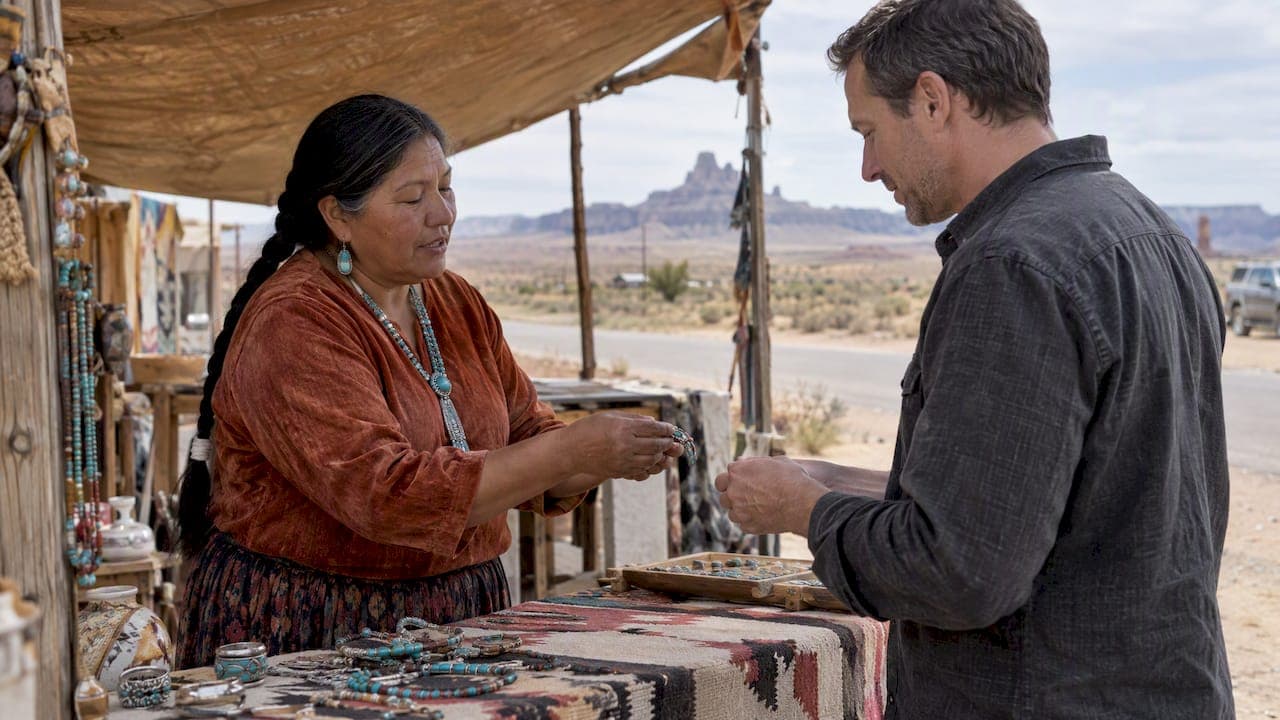
The Navajo Nation is a sovereign homeland with its own laws, parks department and customs, not a theme park. The short version of good etiquette: ask before you photograph people, stay on marked routes, hold a permit where one is required, leave alcohol and firearms behind, and let local people set the pace. Below you will find the specifics, the reasons behind them, and how to handle the places most visitors come for, such as Antelope Canyon and Horseshoe Bend.
TL;DR
- Ask permission before photographing Navajo people, their homes or their animals, and never photograph ceremonies. Personal photos need no permit; commercial photo or video does.
- Most backcountry areas are closed to non-Navajos without a permit, and anyone guiding tours in Navajo Tribal Parks needs a Navajo Nation permit.
- Alcohol, illegal drugs and firearms are prohibited. Off-road driving, climbing sacred sites and removing rocks or artifacts are not allowed.
- Cell service is patchy, and the Navajo Nation observes daylight saving time when the rest of Arizona does not, so check your clock.
- Hiring a Navajo guide for slot canyon visits takes most of the guesswork out of the rules.
Table of Contents
- Why etiquette matters here
- Photography: the rule most visitors get wrong
- Permits and who may go where
- Sacred, private and restricted places
- Laws that apply to every visitor
- Practical etiquette on the road
- Our perspective
- Seeing the Navajo Nation with a private guide
- A simple checklist before you go
- FAQ
- Sources
Why etiquette matters here
The Navajo Nation covers parts of Arizona, New Mexico and Utah. Visitors drive through it on the way to some of the best-known landscapes in the Southwest, which means many people cross it without ever thinking of it as a place where people live, herd sheep and hold ceremonies.
That is the first adjustment. Much of what looks like empty desert is someone's grazing land, family homesite or sacred ground. Navajo Nation Parks & Recreation spells this out in its rules and regulations: respect privacy and customs, and do not wander across residential areas or disturb property.
The second adjustment is pace. A Navajo Nation trip is not a checklist. Travelers on public forums say the same thing again and again: you will not see it in a day, and the best moments come from conversation. Take that seriously and most etiquette questions answer themselves.
Photography: the rule most visitors get wrong
Photography is where well-meaning visitors cause the most friction.
People, homes and animals. According to Lonely Planet's guide to the Navajo Nation, personal-use photos need no permit, but you should always ask before photographing Navajo people, their homes or their animals. That includes a roadside vendor, a rider on horseback and a flock of sheep by a hogan.
Ceremonies. Ceremonies and Native American Church gatherings are off-limits for photography. Do not take a quick shot from the car, and do not film from a distance.
Why people say no. Some visitor guides explain that, in traditional belief, a photograph can take something of a person. One cultural etiquette summary also notes that a small thank-you of a few dollars is a customary gesture if someone agrees to pose. Treat that as a courtesy that varies by person. Some will decline, and some will decline the money. Accept the answer either way.
Commercial work. Commercial photographs or video are prohibited without a valid permit from Navajo Parks & Recreation, per the official rules. If you sell prints, run a monetized channel or shoot for a brand, assume you need one and apply before you arrive.
Antelope Canyon. The Lake Powell Navajo Tribal Park page states that no photography or filming permits are issued for Upper or Lower Antelope Canyon because of heavy visitor volume. Plan on phone or standard camera shots within your tour group's rules. Our guide to Navajo guided canyon rules covers the practical limits, and the Antelope Canyon photography timing guide explains when the light works.
Permits and who may go where
This is the part that surprises people. The Navajo Parks & Recreation rules state that areas of the Navajo Nation are closed to non-Navajos unless they hold a valid camping, hiking or backcountry permit issued by the department or another delegated tribal authority. Camping, hiking and backcountry use in Navajo Tribal Parks require permits, and anyone conducting guided tours within those parks must hold a Navajo Nation permit.
In practice:
- Staying on the highway and visiting a trading post, museum or visitor center does not need a backcountry permit.
- Walking off the main route, to a canyon rim, a wash or a ruin is where a permit or an authorized guide becomes necessary.
- Slot canyons such as Antelope Canyon are only entered with an authorized Navajo guide. Our article on Antelope Canyon entry fees and managed tours explains how that works for US travelers, and the Page slot canyon booking guide covers how far ahead to reserve.
When you are unsure, ask at a visitor center or call Navajo Parks & Recreation before you go rather than after a ranger or landowner stops you.
Sacred, private and restricted places
The rule of thumb is simple: if it is not marked as open to visitors, treat it as someone's private or sacred property.
- Do not climb on monuments, sacred sites or buttes. Climbing and base jumping are strictly prohibited in Navajo Tribal Park areas, according to the official regulations.
- Do not enter or alter archaeological sites, deface rock walls, or step into structures. Lonely Planet's guide gives the same advice and adds that you should avoid private property without permission.
- Do not cross residential areas to get a better view. A dirt track is often someone's driveway.
- Do not take anything. Pack out your trash and leave animals, plants, rocks and artifacts where they are, including potsherds that look insignificant.
Hogans
A hogan is a traditional Navajo home and ceremonial structure. One etiquette summary says hogans are considered sacred and that a guest invited inside should move clockwise and avoid pointing with fingers. Since customs vary between families, watch your host, follow their lead, and never enter uninvited.
Dances and community events
Lonely Planet notes that Ndaah events, sometimes called Squaw Dances, are often for community members, and advises approaching them the way you would a church service. Come only if you are clearly welcome, dress modestly, stay quiet, keep phones in your pocket and follow whatever the people around you do. The same mindset applies in any host culture, as this piece on respecting local traditions in tourism shows for Hawaii.
Laws that apply to every visitor
The Navajo Nation enforces its own rules, and they differ from the surrounding states.
| Topic | What to know |
|---|---|
| Alcohol and illegal drugs | Prohibited on the Navajo Nation. Leave bottles in your cooler at home or in the border town where you started. |
| Firearms | Prohibited on tribal lands. |
| Off-road vehicles | Prohibited in Navajo Tribal Park areas. Stay on established roads. |
| Trash | Pack it out. |
| Plants, animals, rocks, artifacts | Do not disturb or remove them. |
All of this comes from the Navajo Nation Parks & Recreation rules and regulations. Read them once before a trip, because "I didn't know" will not help at a checkpoint.
Practical etiquette on the road
Dress modestly. Lonely Planet recommends avoiding revealing or tight clothing. Sun protection and long sleeves in a desert are practical anyway.
Mind the clock. Most of Arizona stays on Mountain Standard Time all year, but the Navajo Nation observes daylight saving time like the rest of the US. If you cross between Page, Tuba City, Kayenta and Hopi lands in summer, tours and shops may be on a different clock from your phone. Confirm meeting times with your operator.
Plan for no signal. Cell service is spotty in many stretches. Download offline maps, tell someone your route, and carry water and a full tank.
Pull over safely. Do not stop in the traffic lane for a photo of a vista or an animal. Use a designated pullout.
Spend locally. Buy from Navajo-owned stands, markets and trading posts, and pay the asked price. Haggling over handmade jewelry or pottery is considered rude by many artisans. If you want context on the craft, our overview of Native American arts and culture in Arizona is a good start.
Tip your guides. If you take a guided tour, tipping is customary in the US. We explain how it works in tipping tour guides on private Grand Canyon tours.
Be a listener. Ask questions, accept that some answers are "that is not something we share," and do not push. This is the single best habit you can bring.

Our perspective
We are a locally owned Northern Arizona operator, and the most common question we hear is some version of "how do I do this right?" Our honest answer is that the best etiquette move is to travel with people who know the ground.
A private tour changes the dynamic. There is no crowd to keep moving, so your guide can slow down, explain why a place matters, and tell you what is and is not appropriate to photograph. On our slot canyon days the canyon portion is led by a Navajo guide, which means the permits and the rules are handled by the people who hold the authority to handle them. Our Antelope Canyon and Horseshoe Bend itinerary is built on that approach.
We also see how visitors behave when they feel rushed. They crowd the rim, pose in the wrong spot, or lean in for a close portrait of a stranger. On a private day with flexible timing, those pressures mostly disappear. You can wait for the light, ask your guide a real question, and leave the place as you found it.
If you remember one thing: you are a guest, and a good guest is curious, quiet and a little slow.
— Chris
Seeing the Navajo Nation with a private guide
If you want the landscape without the legwork, our Antelope Canyon & Horseshoe Bend tour from Sedona is a fully private day with door-to-door pickup, and it starts from 419 USD per person. It is Navajo-guided, so permits and entry rules are part of the plan, not your homework.
If Grand Canyon rim time is higher on your list, take a look at our private Grand Canyon day tour, from 319 USD per person, or browse all of our private tours to build a Northern Arizona itinerary. For background on the region itself, read our Navajo Nation page.
A simple checklist before you go
- Decide which places you want to see, then check whether each requires a permit or an authorized guide.
- Book slot canyon and managed-access visits ahead, especially in busy seasons.
- Remove alcohol and any firearms from your vehicle before you enter.
- Download offline maps and fill your tank and water.
- Agree in advance with your group that you will ask before photographing anyone.
- Pack a small cash reserve for local vendors and tips.
- Bring a Navajo-owned purchase in mind, not just a photo.
Traveling with children? Our article on Antelope Canyon with kids covers which ages suit which tours, and the same quiet-and-respectful rules apply to young visitors.
FAQ
Can I take photos on the Navajo Nation?
For personal use you do not need a permit, but you should ask permission before photographing people, their homes or their animals. Ceremonies and Native American Church gatherings are off-limits. Commercial photography or video needs a permit from Navajo Parks & Recreation.
Do I need a permit to hike or camp on the Navajo Nation?
Yes, in most cases. Camping, hiking and backcountry use in Navajo Tribal Parks require permits, and many areas are closed to non-Navajos without one. Check with Navajo Parks & Recreation before you leave the main roads.
Is alcohol allowed on the Navajo Nation?
No. The Navajo Nation prohibits alcohol and illegal drugs, and firearms are prohibited on tribal lands. Plan any celebratory drink for a hotel or restaurant outside the Nation.
Can I enter a hogan or attend a ceremony?
Only if you are invited. Hogans are sacred spaces, and many ceremonies are for community members only. If someone welcomes you, follow their lead on where to sit, how to move and what not to photograph.
Do I need a Navajo guide to visit Antelope Canyon?
Yes, slot canyon entry is through authorized Navajo guides, and the Lake Powell Navajo Tribal Park does not issue photo or filming permits for Antelope Canyon. A private Navajo-guided tour handles access for you and gives you room to ask questions along the way.
Sources
- Navajo Nation Parks & Recreation: Rules & Regulations
- Navajo Nation Parks & Recreation: Lake Powell Navajo Tribal Park
- Lonely Planet: The Navajo Nation, how to be a respectful visitor
- Indian Reservations: Navajo Nation cultural etiquette for visitors
- timeanddate: Most of Arizona has no daylight saving time